
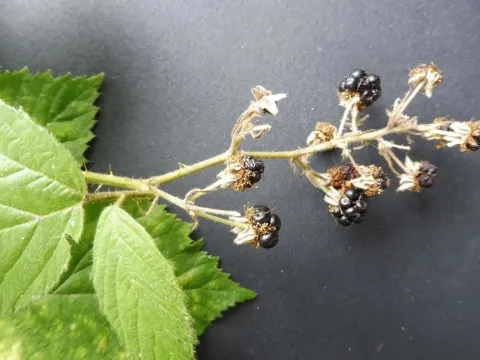
Wild blackberry
Rubus sylvaticus
The wild blackberry, botanically known as Rubus sylvaticus, belongs to the Rosaceae family and is typically propagated using vegetative methods to ensure consistent genetic traits.
What the section contains
Wild blackberry
Layering is the preferred propagation technique, where flexible canes are pinned to the soil to encourage root development before being transplanted.
Planting in the field is most successful during the early spring or autumn, providing the plants enough time to establish a root system before harsh weather conditions arrive.
It is crucial to maintain proper spacing between plants, with an ideal distance of 1.5 to 2 meters to allow for healthy air circulation and sufficient nutrition.
Starting with healthy, certified seedlings with well-developed roots significantly improves survival rates and promotes vigorous growth during the first season.
This crop thrives in moderately moist, fertile soils with a slightly acidic pH level, preferring well-drained locations to prevent waterlogging of the roots.
While wild blackberries appreciate full sun for maximum berry production, providing partial shade during the hottest parts of the day is beneficial in warmer regions.
Supporting the canes with trellises is essential for effective cultivation, as it keeps the fruit off the ground and improves light penetration into the plant canopy.
Consistent irrigation is vital, particularly during the flowering and fruit-setting stages, to ensure that the berries reach their optimal size and flavor profile.
In colder climates, the canes require winter protection by being laid down and covered with breathable materials to shield them from freezing damage.
The total yield of Rubus sylvaticus is highly dependent on systematic pruning, focusing on removing the old canes that have finished their biennial production cycle.
Applying organic amendments such as compost or well-rotted manure enhances soil fertility and encourages the production of strong, fruit-bearing canes for the next year.
Under optimal management practices, including proper thinning and irrigation, a single plant can produce several kilograms of high-quality berries per season.
Regular maintenance of the plant architecture helps direct energy towards fruit development rather than excessive foliage growth, maximizing the crop potential.
Mulching around the base of the plant helps retain soil moisture and suppresses competing weeds, contributing to a more stable and higher yearly yield.
The primary pests affecting blackberry plants include the strawberry blossom weevil, spider mites, and aphids, which can cause significant damage if left unchecked.
Fungal diseases like grey mold and rust are common concerns, especially when high humidity levels combined with poor airflow create an ideal environment for spores.
Proactive monitoring and the application of fungicides during the early growth stages are recommended to keep the blackberry patch healthy and productive.
Sanitation practices, including the removal of dead or diseased wood and clearing away plant debris, are critical for minimizing the risk of disease spread.
- Regular inspection for pest infestations.
- Manual weed control to minimize competition.
- Ensuring proper spacing to improve ventilation.
Harvesting wild blackberries is a labour-intensive process because the berries ripen asynchronously, requiring multiple visits to the plants throughout the season.
The berries should be carefully picked only when they achieve a deep, dark color and a soft texture, indicating that they are fully ripe and sweet.
Due to the presence of sharp thorns on many wild blackberry canes, wearing protective gear, particularly long-sleeved clothing and gloves, is strongly advised.
The harvested fruit is highly perishable and should be stored in well-ventilated containers and kept cool immediately after picking to preserve freshness.
Blackberries are highly valued for both fresh consumption and various industrial uses, including the production of preserves, juices, and medicinal extracts.