
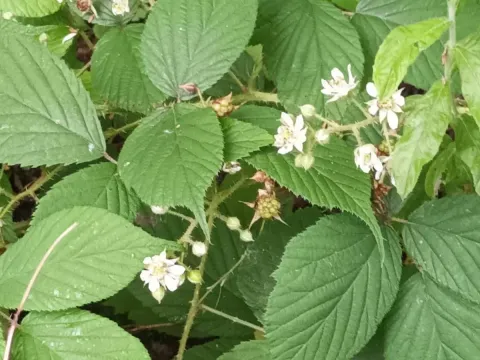
Pale blackberry
Rubus pallidus
The pale blackberry (Rubus pallidus) is a perennial shrub belonging to the Rosaceae family. It is a distinct species within the genus Rubus, recognized for the lighter, often pale coloration of its vegetative parts and drupelets compared to common wild blackberry varieties.
What the section contains
Pale blackberry
Native to North American woodland environments, this species typically thrives in shaded or semi-shaded areas, such as forest edges, thickets, and river valleys. Its biological adaptation to these habitats makes it a specialized plant that requires specific environmental conditions to prosper in agricultural settings.
Cultivation requires well-drained, fertile soil with an acidic to neutral pH level. It is essential to ensure that the site does not have standing water, as the species is sensitive to waterlogged conditions, which can lead to rapid root decay and decline of the planting site.
The climate requirements involve temperate conditions with enough winter chilling to break dormancy. Providing a layer of organic mulch around the root zone helps maintain soil moisture levels and temperature stability, replicating the forest floor conditions the plant naturally prefers.
Pruning is a fundamental part of the agricultural practice for this species. Since the canes follow a biennial cycle, removing the old, dead canes after the fruit harvest is necessary to promote the health and vigor of the first-year canes, which will bear fruit in the following growing season.
Diseases such as cane blight and anthracnose pose a significant threat to the plant, especially in areas with high humidity and poor air circulation. These fungal pathogens manifest as lesions on the canes, which, if left untreated, can disrupt nutrient flow and lead to cane dieback.
Insect pests, including the blackberry gall midge and various aphids, can infest the foliage and developing buds. Monitoring for these pests during the early growing season is critical, as damage to the growing tips can stunt the development of the fruit-bearing branches.
Integrated pest management (IPM) strategies, including the use of dormant oil sprays and the encouragement of predatory insects, are recommended for long-term health. Avoid planting near wild Rubus populations to reduce the risk of cross-infection with viruses and specialized pests.
Phytophthora root rot is a common soil-borne threat that thrives in heavy, compact soils. Improving soil structure through the addition of compost and ensuring proper slope for water runoff can significantly reduce the vulnerability of the plants to these pathogens.
Sanitation practices, such as removing and destroying infected plant tissue immediately after observation, are vital. By breaking the disease cycle and maintaining good canopy density, growers can effectively manage the threat of disease without excessive reliance on chemical fungicides.