
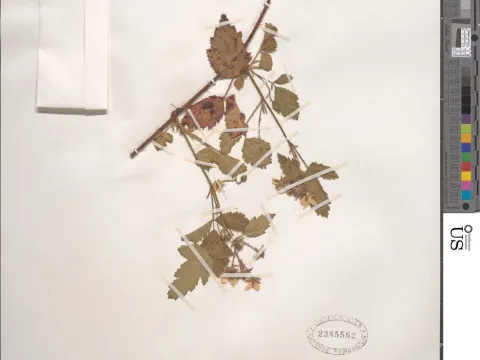
Pacific blackberry
Rubus vitifolius
Rubus vitifolius, commonly known as the Pacific blackberry, is best propagated vegetatively through tip-layering. This method ensures that the new plants retain the desirable genetic characteristics and vigor of the parent stock, which is essential for consistent yields.
What the section contains
Pacific blackberry
Planting is ideally scheduled for early spring, allowing the root system to establish itself before the heat of summer. When establishing a new planting site, ensure the soil is deeply cultivated and cleared of aggressive weeds that might compete for nutrients.
If seeds are used for hybridization, they require a cold stratification process lasting at least 90 days. The seeds should be sown in a sterile, moist medium and kept at temperatures near 4 degrees Celsius to break dormancy before being moved to warmer conditions for germination.
Spacing is a critical factor for long-term health; plants should be set 1.5 to 2 meters apart in rows. Adequate spacing promotes airflow, which is the most effective natural defense against the fungal diseases common to this species.
Once planted, young vines require consistent moisture. Installing a drip irrigation system is highly recommended to provide targeted hydration directly to the root zone while keeping the foliage dry, which significantly reduces the risk of leaf pathogens.
As a member of the Rosaceae family, the Pacific blackberry is native to the western regions of North America. It thrives in temperate, humid climates, often found in nature along forest edges, stream banks, and cleared areas where it receives dappled sunlight.
The ideal soil for this crop is a well-draining, slightly acidic loam enriched with organic matter. While it is adaptable to various soil types, it absolutely requires excellent drainage, as wet, waterlogged roots are highly susceptible to crown rot.
Trellising is mandatory for commercial cultivation. The vines are sprawling and vigorous, and lifting them off the ground not only simplifies harvesting but also protects the fruit from soil-borne pathogens and makes pest management significantly more efficient.
Temperature tolerance varies, but the plant generally prefers mild temperatures between 18 and 25 degrees Celsius. In areas prone to extreme heat, providing partial shade or utilizing misting systems can prevent fruit sunburn and dehydration.
Winter care is essential in colder zones. The vines should be protected from harsh, freezing winds by either covering them with horticultural fleece or by detaching the canes from the trellis and laying them flat on the ground to be covered with mulch.
Fungal issues are the primary concern for Rubus vitifolius, with powdery mildew and anthracnose being the most prevalent. These pathogens thrive in stagnant air, making regular pruning and thinning of the canopy essential preventative measures.
Pest pressure often comes from cane borers, spider mites, and aphids. These insects can weaken the plant's overall vitality and directly impact the fruit quality by feeding on buds or developing berries.
Integrated Pest Management (IPM) is the best approach, emphasizing the use of beneficial insects, such as ladybugs, and the removal of infected canes. Early detection through regular scouting of the plantation is vital for effective control.
Weed management should be conducted carefully, as the root systems of Pacific blackberries are relatively shallow. Shallow cultivation or the application of thick organic mulch layers is preferred over deep digging to avoid damaging the feeder roots.
In cases of severe infestation, targeted applications of organic-approved horticultural oils or soaps may be necessary, provided they are applied during periods of low pollinator activity to ensure the safety of local bee populations.
Harvesting Pacific blackberries is a labor-intensive process due to the delicate nature of the fruit. The berries are ripe when they turn deep, glossy black and detach easily from the receptacle with a gentle tug.
Because the fruit is highly perishable, it should be harvested during the cool morning hours and placed immediately into cold storage. This prevents the berries from softening further and inhibits the growth of spoilage-causing molds.
Pacific blackberries are exceptionally flavorful and are highly sought after for fresh consumption, culinary use in preserves, and as a base for artisanal beverages. Their distinct tart-sweet profile is characteristic of high-quality wild-type berries.
To maximize the shelf life after harvest, it is recommended to use shallow, breathable containers. Packing the berries in thick layers causes crushing, which leads to rapid juice loss and reduced market value for fresh-market sales.
After the final harvest, the spent floricanes (the two-year-old canes that produced fruit) should be pruned back to the ground level. This practice encourages the growth of new primocanes, ensuring a robust and productive crop for the following season.