
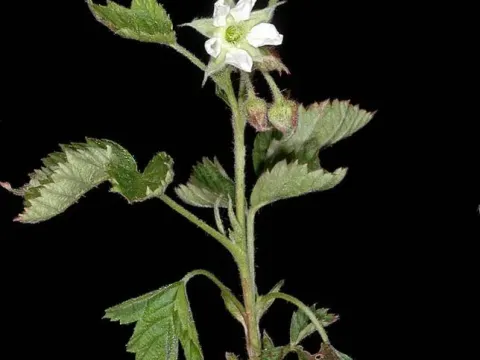
Pacific blackberry
Rubus macropetalus
The Pacific blackberry (Rubus macropetalus) is a perennial semi-shrub belonging to the Rosaceae family. It is native to the western coast of North America, where it thrives in moist, temperate environments and is often found in forest clearings and along stream edges.
What the section contains
Pacific blackberry
Cultivation of this species requires well-drained, fertile soil rich in organic matter. Like many species in the genus Rubus, it is highly sensitive to waterlogged conditions, which can lead to root rot and other physiological disorders if the soil is too heavy.
The plant prefers sites with adequate sunlight but appreciates some protection from intense afternoon heat or drying winds. In agricultural settings, trellis systems are essential to support the trailing or semi-erect stems, which facilitates better air circulation and sunlight exposure.
Proper spacing during planting is critical to ensure enough room for the vigorous growth of canes. Mulching the base of the plants is a recommended practice to maintain soil moisture, suppress weeds, and provide a slow-release source of organic nutrients over the season.
Water management is vital during the flowering and fruit-set stages. Consistent moisture levels promote healthy fruit development and prevent berries from drying out. Irrigation systems, such as drip lines, are highly effective in managing water usage efficiently.
The yield of Pacific blackberry depends on the age of the canes and the quality of pruning carried out during the dormant season. As the fruit develops on second-year canes, removing old, spent growth is necessary to encourage new, productive cane development.
The berries are highly valued for their intense flavor, making them ideal for fresh consumption, baking, and making high-quality preserves. They are also known for their rich nutritional profile, including antioxidants and essential vitamins.
Productivity can be optimized by implementing regular fertilization schedules tailored to soil test results. Focusing on potassium and phosphorus levels helps improve fruit quality, shelf life, and the overall hardiness of the plants against environmental stress.
While often gathered from the wild, cultivated Pacific blackberry crops can be quite productive under managed conditions. Proper canopy management ensures that sunlight reaches all levels of the plant, maximizing the conversion of energy into fruit production.
The species also holds value in breeding programs due to its natural adaptation to regional microclimates. This genetic diversity is a key asset for developing new cultivars that can withstand local pest pressures and climatic variability.
Pacific blackberry is susceptible to various fungal pathogens, including rusts and cane blight, which thrive in humid conditions. Keeping the foliage dry through good irrigation practices and adequate plant spacing helps to mitigate these risks significantly.
Common pests include the raspberry crown borer and various species of mites that can cause damage to buds and developing fruit. Integrated pest management (IPM) strategies, including biological controls and targeted pruning, are the best ways to manage these populations.
Sanitation is a cornerstone of disease control. Removing and destroying infected plant material immediately upon detection prevents the spread of spores and insects to healthy parts of the crop, reducing the reliance on chemical interventions.
Monitoring for signs of viral infections, often transmitted by aphids or other vectors, is an important aspect of long-term plantation health. Maintaining distance from wild Rubus patches can reduce the risk of bringing these viruses into cultivated plots.
Good air circulation is the best preventive measure against most fungal issues. By training the vines carefully on trellises, growers can ensure that moisture does not accumulate within the thick canopy, thereby reducing the likelihood of infections.
Harvesting Pacific blackberries requires patience and careful timing, as the fruit ripens sequentially rather than all at once. Berries should be picked when they are fully black and have lost their initial tartness, indicating maximum sugar content.
The fruit is relatively delicate, necessitating manual harvesting to avoid bruising. Picking should be done in the cooler morning hours to ensure that the fruit retains its firmness and structural integrity during transport to market or processing facilities.
Using shallow, ventilated containers for storage is crucial. Deep containers can lead to the berries at the bottom being crushed, which accelerates spoilage and fermentation. Keeping the fruit in a cool, shaded environment immediately after picking is essential.
For short-term storage, the berries should be kept at temperatures near 0 to 4 degrees Celsius. Rapid cooling after harvest slows down respiration and helps maintain the freshness and quality of the berries for a longer shelf-life.
While mechanical harvesting is becoming more common in other blackberry varieties, manual picking remains the standard for Pacific blackberry to ensure the highest quality. This attention to detail reflects the premium status of this specific fruit in local markets.