
Petrophytum
Petrophytum
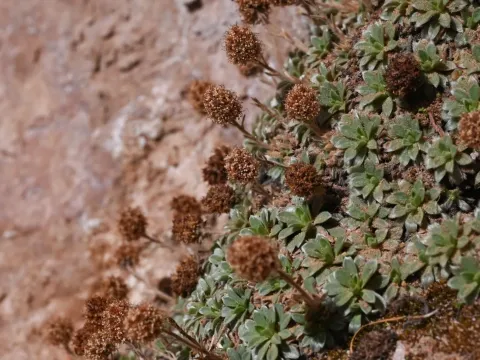
Petrophytum is a genus of mat-forming, evergreen shrubs belonging to the Rosaceae family. Native to the mountainous regions of Western North America, these plants are highly specialized for surviving in harsh, rocky environments such as limestone crevices.
What the section contains


Petrophytum
The botanical structure of Petrophytum is characterized by tight, cushion-like growth habits. Their leathery leaves and compact size allow them to thrive in mineral-rich, stony soils where nutrients are limited and water drainage is rapid.
To cultivate this species successfully, growers must prioritize a site that mimics their native habitat. Full sun exposure is essential for maintaining the plant's structural integrity and promoting regular, prolific blooming during the summer season.
Soil requirements for Petrophytum focus on alkalinity and extreme drainage. Gardeners should avoid moisture-retentive organic matter; instead, a mix of grit, sand, and limestone chippings is recommended to facilitate healthy root development.
In landscaping, this genus serves as a premium choice for rock gardens, trough plantings, and alpine displays. Its slow growth rate makes it a low-maintenance, long-term investment for gardeners interested in xeriscaping and sustainable plant design.
The primary threat to Petrophytum health is root rot caused by poor soil drainage. If the crown of the plant stays wet for extended periods, especially in humid or rainy climates, the root system will quickly deteriorate.
Fungal pathogens represent the biggest biological risk for these plants. To mitigate this, growers should ensure adequate air circulation and use mineral mulch, which keeps the foliage dry and prevents direct contact with damp soil.
While generally resistant to pests, Petrophytum may occasionally attract aphids during periods of rapid new spring growth. Targeted horticultural soap treatments are usually sufficient to manage these populations without damaging the plant.
Over-fertilization with high-nitrogen compounds is a common mistake that causes soft, unsustainable growth, making the plants more prone to physiological disorders and susceptibility to common garden insects.
Maintenance should focus on preventing the accumulation of debris. Cleaning out dead leaves from the dense cushions every spring prevents the development of mold and ensures the plant remains healthy throughout the growing season.