
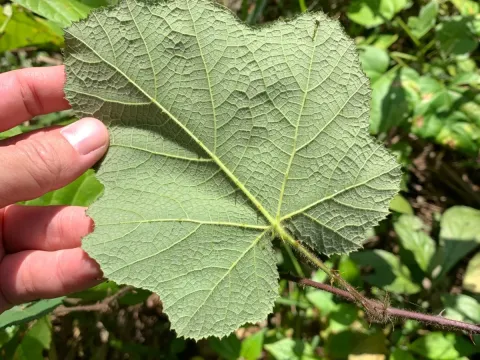
Rubus roridus
Rubus roridus
Rubus roridus is a member of the Rosaceae family, native to the high-altitude regions of the tropical Andes. This species is known for its distinct botanical traits and ability to adapt to cooler mountain environments.
What the section contains
Rubus roridus
The plant requires a specific microclimate with stable, relatively cool temperatures and high atmospheric humidity. It performs best in areas where the sun is not excessively harsh, mimicking its natural mountainous habitat.
Soil quality is paramount for this culture. It thrives in well-draining, nutrient-rich soils that possess high organic matter content and a slightly acidic pH level, ensuring the roots remain healthy and aerated.
Cultivation practices include precise irrigation management to prevent waterlogging, which the plant is highly sensitive to. Providing proper drainage is essential for the longevity of the root system.
Training and pruning are vital for Rubus roridus, as it requires support for its stems to ensure proper airflow through the plant, which reduces the incidence of fungal issues and improves yield quality.
The primary threats to Rubus roridus involve various fungal pathogens, specifically those that flourish in high-humidity conditions, such as root rot and leaf blight, requiring constant vigilance from the grower.
Insect pests, including aphids and spider mites, pose significant challenges. These pests can rapidly affect plant vigor and fruit quality if they are not monitored and managed during the early stages of infestation.
Sanitation is a key component of pest control. Removing fallen leaves, debris, and dead stems helps to minimize the overwintering sites for both fungi and harmful insects within the cultivation area.
Integrated Pest Management (IPM) strategies, including the introduction of beneficial insects or the use of organic deterrents, are highly recommended to keep the crop healthy without relying on harsh chemicals.
Proper plant spacing during the initial planting phase helps ensure adequate light and air circulation, which serves as a natural deterrent against many of the common diseases that affect berry-producing bushes.