
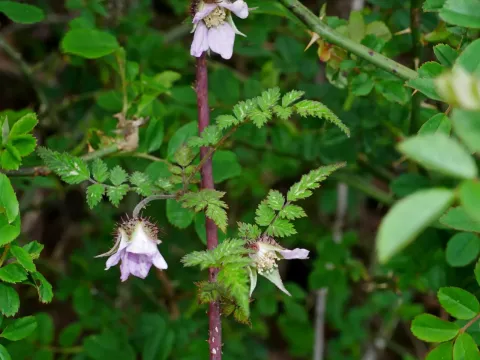
Rubus pungens
Rubus pungens
Rubus pungens is a perennial shrub species belonging to the Rosaceae family. Native to the mountainous regions of Eastern Asia, it is recognized for its unique growth habit and its role in the biodiversity of temperate ecosystems.
What the section contains
Rubus pungens
Cultivation of this plant requires well-drained, nutrient-rich soils with a slightly acidic profile. Proper drainage is essential to prevent root rot, as the species does not tolerate waterlogged conditions for extended periods of time.
The plant thrives in temperate climates, preferring locations that offer partial to full sunlight. During the active growth cycle, consistent moisture is vital, especially when the plant is establishing its complex root system in new soil.
Morphologically, the plant is characterized by arching canes covered with sharp, persistent thorns. Its leaves are typically trifoliate with serrated margins, which helps distinguish it from other related Rubus species found in the same region.
In agricultural practice, this species is mainly utilized in plant breeding programs aimed at developing resilient cultivars. Its hardiness and ability to thrive in mountain climates make it a subject of interest for specialized horticulture.
One of the primary threats to Rubus pungens is cane blight, a fungal disease that causes lesions on the stems, leading to the weakening and eventual death of the affected canes.
Root rot caused by Phytophthora species remains a significant danger, particularly in soils with poor drainage, which can lead to rapid decline in plant health and overall vigor.
Spider mites are common pests that tend to affect the foliage during hot, dry spells, resulting in stunted growth and a noticeable reduction in the plant's photosynthetic capacity.
Raspberry beetles pose a challenge during the flowering and fruiting stages, as they feed on buds and blossoms, directly affecting the plant's ability to produce viable seeds.
Integrated pest management, including the removal of infected plant debris and the use of targeted biological controls, is recommended to maintain the health of the cultivation area.