
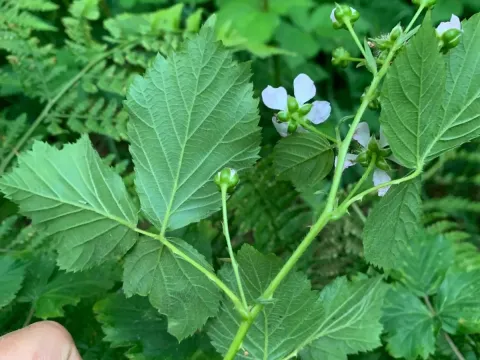
Rubus plicatus
Rubus plicatus
Propagation of Rubus plicatus is primarily achieved through vegetative methods, such as layering or using softwood cuttings, which ensure the offspring maintain the exact characteristics of the parent plant.
What the section contains
Rubus plicatus
The ideal planting time is early spring, immediately before the buds begin to swell, or during the autumn months once the plant enters dormancy, allowing roots to establish before severe cold.
Preparation of the soil is essential; planting pits should be enriched with organic matter, such as well-rotted manure or compost, and spaced 1.5 to 2 meters apart.
Trellising systems are highly recommended to support the canes, ensuring proper air circulation and facilitating easier maintenance and harvest tasks throughout the season.
When using tip layering, bend the current year's growth into the soil in late summer; the rooting process will be complete by the following spring, providing a new, vigorous plant.
Rubus plicatus thrives in sunny positions with partial shade, provided it is shielded from cold, drying winds that can damage the canes during winter and spring.
The plant requires deep, fertile, and well-drained soil with a slightly acidic to neutral pH, which is crucial for optimal nutrient uptake and overall plant health.
Consistent moisture is necessary, especially during the fruit-setting and development stages; therefore, implementing a drip irrigation system is a standard practice in commercial production.
Drainage is a critical factor, as stagnant water in the root zone quickly promotes the growth of pathogens and can lead to the death of the crown.
In colder regions, protection is required during the winter to prevent frost injury; canes are typically laid down and covered with mulch or insulating fabrics.
The yield of Rubus plicatus is highly dependent on effective pruning practices, which involve the removal of old, spent canes after the harvest is completed.
By maintaining a balance between vegetative growth and fruiting canes, producers can expect a yield of approximately 3 to 5 kilograms per plant under optimal conditions.
Balanced fertilization, particularly the application of potassium and phosphorus during the growth cycle, significantly improves berry size and sugar content.
Using a vertical or V-shaped trellis design helps maximize light exposure for all fruiting shoots, which directly contributes to higher productivity per square meter.
Management of cane density is crucial; thinning out excessive secondary growth prevents overcrowding and ensures that resources are directed toward fruit development.
Anthracnose is a frequent concern for Rubus plicatus, characterized by small, purple-bordered spots on the leaves and stems that can weaken the plant if left untreated.
Rust and powdery mildew are also significant threats that thrive in high humidity and poor airflow conditions, potentially reducing the photosynthetic capacity of the foliage.
Insect pests like aphids and blackberry mites can cause deformation and spread viruses, which are difficult to control once a plantation is fully infected.
Integrated pest management strategies, including the removal of diseased wood and weed control, are essential to minimize the reliance on chemical interventions.
Regular monitoring of the plantation is vital for the early detection of pests and diseases, allowing for timely and localized control measures to save the crop.
Harvesting Rubus plicatus is a manual process performed over several weeks, as the berries do not all ripen simultaneously, requiring repeated visits to the field.
Pick the berries during the early morning hours, as this is when they are at their firmest and have the lowest heat gain, ensuring better post-harvest shelf life.
The berries are extremely delicate; they should be placed directly into final-sale containers to minimize handling and prevent crushing of the soft fruit tissue.
For best quality, the harvested fruit should be moved quickly to a refrigerated environment, maintaining temperatures between 0°C and 2°C to slow down respiration.
Careful handling during transport is necessary to maintain the integrity of the berries and ensure that they reach the consumer in perfect condition.