
Rubus squarrosus
Rubus squarrosus
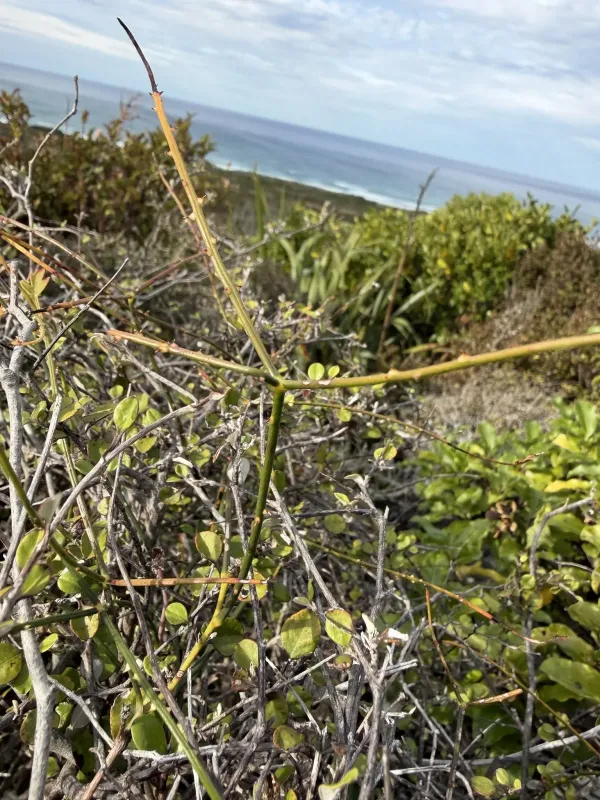
Description
Growing requirements
Rubus squarrosus is a perennial plant belonging to the Rosaceae family. It is botanically categorized within the genus Rubus, sharing many structural similarities with wild blackberries and related brambles.
The plant thrives in temperate climates, requiring well-draining soil rich in organic matter. A pH range that is slightly acidic to neutral provides the best nutrient availability for the root system.
Consistent irrigation is essential for Rubus squarrosus, particularly during the flowering and fruit-setting stages. Water stress can lead to reduced berry size and poor yield quality.
Pruning is a critical aspect of its agronomy. Removing old, non-productive canes and managing the density of new shoots ensures adequate airflow, which is vital for plant health.
Environmental conditions such as sun exposure are also important; while the plant is adaptable, full or partial sun is preferred to maximize photosynthetically active radiation and fruit yield.
Main diseases and pests
The most common diseases affecting Rubus squarrosus include gray mold (Botrytis) and anthracnose, which typically thrive in environments with poor ventilation or high humidity levels.
Pest pressures primarily stem from insects such as aphids and mite species that target young foliage, potentially causing curling and reduced vigor of the plant's terminal growth.
Effective management includes integrated pest management (IPM) strategies, which prioritize manual removal of infested stems and the use of targeted biological controls where possible.
Sanitation practices are paramount. Clearing fallen leaves and debris from the base of the bushes significantly reduces the overwintering habitat for pathogens and harmful insects.
Regular monitoring of the foliage and berries throughout the growing season allows for early intervention, preventing localized infestations from becoming widespread issues across the crop.