
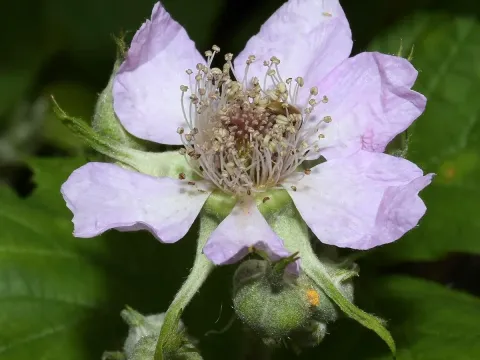
Rubus questieri
Rubus questieri
Rubus questieri is a perennial shrub belonging to the Rosaceae family. Similar to other members of the genus Rubus, this plant features biennial canes that grow from a permanent woody rootstock. The plant exhibits distinct morphological traits, including specific leaf arrangements and thorn patterns that distinguish it from the common blackberry varieties.
What the section contains
Rubus questieri
The origin of this species is traced back to Western Europe. It primarily grows in temperate forest ecosystems, favoring humid conditions and edge-of-forest habitats. Its natural adaptation to semi-shaded environments makes it unique compared to full-sun commercial berries, allowing for cultivation in areas with limited direct sunlight.
Regarding soil requirements, this culture thrives in well-drained, fertile loamy soils. A slightly acidic to neutral soil pH is ideal for nutrient uptake. It is essential to maintain consistent soil moisture, as water stress during the flowering and fruit-setting stages can significantly reduce the overall productivity of the shrub.
Agricultural management requires disciplined pruning practices. Since the fruit is produced on second-year canes, it is crucial to remove dead wood immediately after the harvest season. This process encourages the development of new, vigorous primocanes for the following year, ensuring the health and longevity of the plant structure.
While Rubus questieri is not a major industrial crop, it serves as an important resource for botanical research and hybrid breeding. Its genetic resilience to certain temperate stressors is highly valued by horticulturists working to improve commercial Rubus varieties through cross-breeding programs.
The primary threats to Rubus questieri include various fungal pathogens such as rust and cane blight. These diseases are most prevalent in humid conditions with poor air circulation, making proper spacing between individual plants a vital preventative measure for any nursery or private collection.
Pest threats include spider mites and various types of aphids that feed on the foliage. Monitoring the undersides of leaves during the peak growth season is essential for early detection. Integrated pest management, focusing on biological controls, is highly recommended to maintain the ecological balance of the site.