
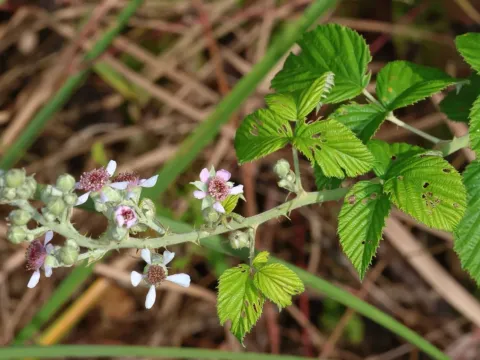
Rubus rigidus
Rubus rigidus
Rubus rigidus is a perennial shrub belonging to the Rosaceae family, primarily native to the tropical and subtropical regions of Africa. It is a robust plant adapted to various ecological niches within its native range.
What the section contains
Rubus rigidus
Propagation is typically achieved through seeds, which require stratification to break dormancy, or via vegetative methods such as tip-layering. Planting is best performed at the onset of the rainy season to establish a strong root system.
When starting in a nursery, use a well-draining potting medium with a balanced pH. Seeds should be sown at a shallow depth and kept consistently moist until germination occurs.
For commercial cultivation, spacing is crucial; plants should be set 1.5 to 2 meters apart. This allows for adequate airflow, which is essential to prevent fungal outbreaks during the growing season.
Maintenance pruning is a fundamental practice. Removing old, woody canes that have finished bearing fruit encourages the growth of new, vigorous stems that will produce the next harvest.
This species thrives in sunny locations but benefits from light shade during the hottest parts of the day. It requires a stable temperature environment, ideally between 18 and 25 degrees Celsius for optimal growth.
Soil requirements are quite specific: the substrate must be fertile and possess excellent drainage. While the plant appreciates moisture, waterlogging will quickly lead to root rot and plant decline.
Mulching is highly recommended to regulate soil temperature and retain moisture. Organic mulch such as wood chips or straw also helps suppress weed growth around the plant base.
Fertilization should be managed carefully, providing nitrogen during the spring flush and potassium-rich supplements during the flowering and fruit-setting stages to enhance berry quality.
Although hardy, the plants may require trellis support in intensive agricultural settings to keep the long, prickly canes off the ground and facilitate easier maintenance and harvesting.
The fruit of Rubus rigidus is edible and has been traditionally consumed by local populations. It closely resembles the common blackberry in both appearance and culinary application.
Productive yields typically begin from the third year onwards. The berries develop a deep dark purple or black hue when fully mature, signalling their peak sweetness and nutritional content.
In addition to being a food crop, the plant has medicinal uses. Extracts from the roots and leaves are often employed in traditional remedies for their astringent properties.
The harvest period can be quite extended if the plants are provided with adequate water and care, making it a reliable source of seasonal produce for smallholder farmers.
Yield capacity can be significant under optimal conditions, with intensive management practices resulting in dense fruit clusters that are highly prized for jams and fresh consumption.
The primary threats to Rubus rigidus are fungal diseases such as anthracnose and powdery mildew, which flourish in high-humidity conditions and poor ventilation settings.
Pests that frequently impact this crop include the raspberry beetle, aphids, and various mite species. These pests can significantly reduce fruit quality and overall plant vigor.
- Implement regular sanitary pruning to remove and burn infected plant parts.
- Monitor for pest activity early in the season to prevent infestation outbreaks.
- Use organic fungicides or biological control agents to manage diseases without affecting fruit quality.
Birds are another significant threat, as they are naturally attracted to the ripening fruit. The use of agricultural netting is often necessary to protect the harvest until it is fully picked.
Viral infections can also occur, often spread by insect vectors. Maintaining clean planting material and controlling weed populations are vital strategies in mitigating these biological risks.
Harvesting Rubus rigidus must be done manually due to the fragile nature of the drupelets. The fruit should be picked during the cool hours of the morning to preserve freshness.
Use shallow containers to avoid crushing the berries. Because they have a short shelf life at ambient temperatures, immediate processing or cooling is recommended for optimal quality.
Proper post-harvest handling includes keeping the berries in a cool, ventilated area until they can be refrigerated or processed into jams, syrups, or frozen products.
Because the berries do not all ripen simultaneously, multiple harvesting passes are required throughout the season to ensure that only the ripest fruits are collected.
Strict hygiene during the picking process helps reduce the likelihood of spoilage, ensuring that the fruit remains viable for market or household consumption for the longest possible duration.