
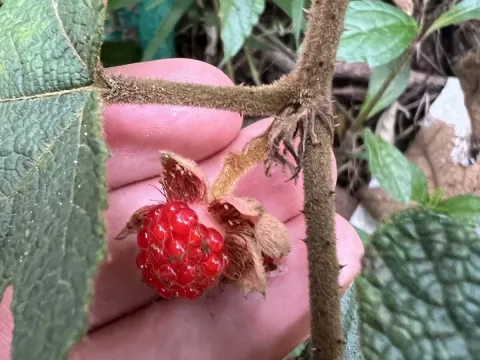
Rubus reflexus
Rubus reflexus
Rubus reflexus is a perennial shrub species belonging to the Rosaceae family. It is known for its distinctive foliage and growth habit, which often includes semi-trailing or arching stems that can be covered with fine hairs.
What the section contains
Rubus reflexus
The plant originates from Eastern and Southeast Asia. It thrives in regions characterized by humid, subtropical conditions, where it benefits from high air moisture and mild temperature variations throughout the year.
In terms of soil requirements, this crop prefers deep, nutrient-rich loamy soils with excellent drainage capabilities. The ideal pH range is slightly acidic to neutral to ensure optimal nutrient uptake for the root system.
Successful cultivation depends on choosing a site that receives partial to full sunlight. Protection from strong, drying winds is essential to prevent physiological stress and damage to the sensitive new growth.
Maintenance practices involve consistent irrigation during dry spells and the application of organic mulch. Proper pruning is necessary to stimulate new growth and maintain the health and vigor of the individual plant.
The main threats to Rubus reflexus include fungal infections such as leaf rust and powdery mildew, which thrive in stagnant, high-humidity air conditions.
Pests, particularly aphids and spider mites, can become a problem during warm and dry periods, potentially causing leaf yellowing and reduced vigor.
Integrated pest management strategies are recommended, focusing on early detection and the use of natural predators or organic sprays to keep populations in check.
Sanitation is a critical factor; all infected or dead plant material should be removed and destroyed promptly to prevent the spread of diseases within the planting area.
Proper air circulation, achieved through correct spacing during planting, serves as a primary defense against the development of most fungal pathogens common in this family.