
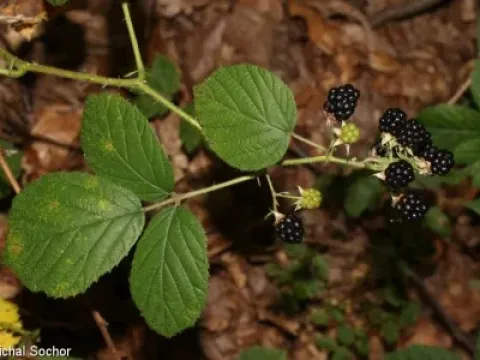
Rubus scaber
Rubus scaber
Rubus scaber is a species belonging to the Rosaceae family. It is typically propagated through vegetative methods such as root cuttings, division of established clumps, or green cuttings. Planting container-grown seedlings is possible throughout the growing season, but early spring is considered the ideal time for rooting.
What the section contains
Rubus scaber
In regions with milder climates, autumn planting can be performed 3–4 weeks before the first hard frosts, allowing the root system to establish itself before the dormant period. In commercial farming, proper spacing is crucial for managing the crop and ensuring easy access for maintenance.
The distance between plants should be at least 1.5–2 meters to prevent overcrowding, which can lead to poor air circulation and increased humidity. Choosing an appropriate site that is protected from strong, prevailing winds is essential to prevent physical damage to the long, arched canes.
Before planting, the soil must be thoroughly cleared of perennial weeds, as Rubus species are sensitive to competition for nutrients. Organic amendments are often incorporated into the planting pit to support initial vigor during the first year of growth.
Mulching the base of the plants immediately after planting is a vital agricultural practice that helps maintain soil moisture levels and effectively suppresses weed growth during the early stages of establishment.
Rubus scaber is a moisture-loving crop that thrives in fertile, well-draining loamy soils. It does not tolerate waterlogged conditions, which can lead to root rot. The ideal soil pH ranges between 5.5 and 6.5 for optimal nutrient uptake.
Full sun exposure is necessary for photosynthesis and to ensure high sugar content in the berries. While the plant can tolerate partial shade, cultivation in areas with limited light typically results in weaker canes and reduced fruit quality.
Regular irrigation is essential during dry spells, especially during the fruit-setting and sizing stages. Inadequate water availability often results in premature fruit drop and a significant reduction in overall yield size.
Mineral nutrition requirements include the application of nitrogen-rich fertilizers in early spring to promote canopy growth, followed by phosphorus and potassium applications in late summer to prepare the plants for winter dormancy.
Given the species' characteristics, in areas with harsh winters, canes should be removed from trellis systems and covered with protective agrofibre or organic mulch to prevent frost damage to the dormant buds.
The primary threats to Rubus scaber include fungal diseases such as anthracnose and gray mold, particularly in conditions with high humidity and poor airflow. Preventive measures include sanitizing pruning and thinning the canopy to allow for better light penetration.
Pests such as the strawberry blossom weevil and various blackberry mites can significantly damage the fruit and reduce marketable yields. Integrated pest management, combining biological controls and systemic insecticides, is recommended.
Rust diseases, characterized by orange pustules on the foliage, are common in this species. Immediate application of copper-based fungicides during the early stages of an outbreak is necessary to control the spread of the pathogen.
Effective sanitation, including the removal and destruction of all plant debris in autumn, is crucial because many pathogens and pest larvae overwinter in old leaves and canes left on the ground.
Regular monitoring of the plantation allows for early detection of potential threats, facilitating timely interventions and minimizing the need for heavy chemical applications throughout the growing season.
Harvesting Rubus scaber is carried out when the berries reach full biological maturity, indicated by their deep color and softened texture. Since the fruit does not ripen simultaneously, multiple selective harvests are required.
For long-distance transportation, berries should be harvested at the technical ripeness stage, when they are slightly firmer. Early morning harvesting, after the dew has evaporated, is recommended to preserve fruit quality and shelf life.
Due to the delicate nature of the fruit, berries must be gathered into shallow containers to prevent bruising and the release of juice. Immediate pre-cooling of the harvested fruit is a standard practice to stop fermentation processes.
The berries of this species are highly valued for culinary uses, including the production of jams, wines, and fresh consumption due to their rich profile of vitamins and antioxidants.
After the harvest, spent second-year canes should be pruned at ground level to direct the plant's resources into the development of healthy new primocanes, which will provide the yield for the following growing season.