
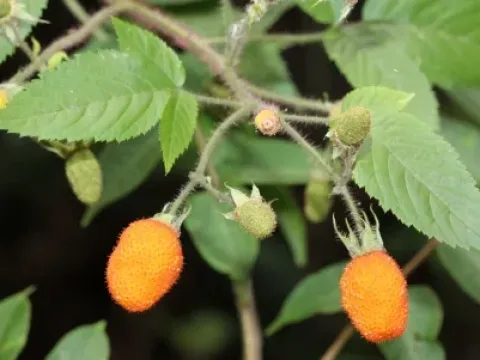
Rubus sorbifolius
Rubus sorbifolius
Rubus sorbifolius is a fascinating member of the Rosaceae family, native to the mountainous regions of East and Southeast Asia, including Taiwan and China. It is a perennial shrub known for its distinctive pinnate leaves, which mimic those of the mountain ash (Sorbus), giving the plant its common name.
What the section contains
Rubus sorbifolius
To cultivate this species successfully, one must provide a well-drained, nutrient-rich soil that mimics the humus-heavy floor of a temperate forest. It thrives in slightly acidic environments with plenty of organic matter, which supports its root development and moisture retention.
Regarding climate, Rubus sorbifolius prefers mild temperatures and high humidity. It performs best in partial shade, as excessive direct sunlight can scorch its delicate foliage and stress the plant, especially in drier or hotter climates.
Agrotechnical practices include regular mulching with organic material to keep the root zone cool and moist. Due to its climbing or sprawling habit, some support structure or trellis may be necessary to ensure optimal air circulation and facilitate easier maintenance and harvest.
Economically, the plant is valued for its unique, berry-like fruits which are harvested for local consumption. While not a major commercial crop globally, it holds potential for specialty gardens and niche berry production due to its aesthetic appeal and pleasant flavor profile.
The primary threats to Rubus sorbifolius include fungal pathogens such as anthracnose and leaf rust, which often manifest during periods of high humidity or poor aeration. Pruning is essential to reduce humidity trapped within the foliage canopy.
Insect pests, specifically aphids and spider mites, can cause significant stress to the plant during dry spells. Spider mites thrive in hot, arid conditions, making them a common challenge for growers in non-native environments.
Effective management strategies involve a combination of cultural practices, such as removing infected plant tissue and ensuring adequate spacing. This reduces the environment suitable for pathogen development and pest infestation.
Organic pest control methods, including the use of neem oil or horticultural soaps, are often sufficient to manage populations of sap-sucking insects without damaging the environment or the quality of the berries produced.
Consistent monitoring and early intervention are key to protecting the plants. By keeping the shrubs vigorous through proper fertilization and watering, the plant's natural resistance to pests and diseases is significantly improved.