
Rubus radula
Rubus radula
Rubus radula, commonly known as a type of rough-leaved blackberry, belongs to the Rosaceae family. It is a perennial shrub that serves as a complex species within the Rubus section, widely distributed throughout the forest and forest-steppe zones of Europe.
What the section contains
Rubus radula
The plant thrives in moderately moist, loamy, or sandy soils with good drainage properties. It is frequently found on forest edges, clearings, and near water bodies, where there is sufficient sunlight while maintaining protection against drying winds.
Climate requirements for this species include high cold hardiness, which is typical for plants in the Central European range. The culture is capable of enduring significant temperature fluctuations, although stable fruit production requires sufficient atmospheric precipitation during the growing season.
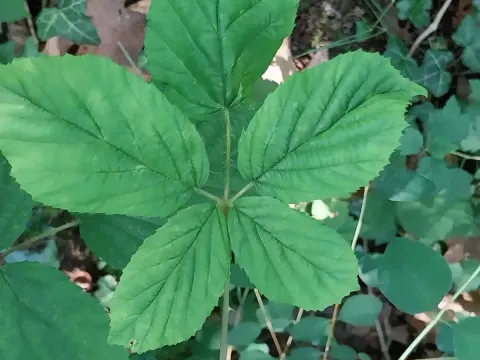
Botanically, the species is characterized by the presence of sturdy stems covered with numerous rigid prickles, which justifies its scientific epithet. The leaves are typically palmately compound and covered with dense pubescence on the underside, aiding in moisture retention.
The economic value of Rubus radula primarily involves the harvesting of wild berries for food consumption. The fruits are rich in antioxidants, organic acids, and vitamins, making them a valuable raw material for processing into jams, jellies, and dried fruit concentrates.
The primary threats to this species are associated with fungal diseases, such as anthracnose and gray mold, which affect the berries during periods of high air humidity. Regular clearing of the thickets and ensuring proper ventilation help to mitigate the risk of disease outbreaks.
Among the pests, the strawberry blossom weevil and spider mites pose the greatest danger. These insects can significantly reduce yields by damaging flower buds or extracting juices from the foliage, leading to the overall weakening of the entire shrub.