
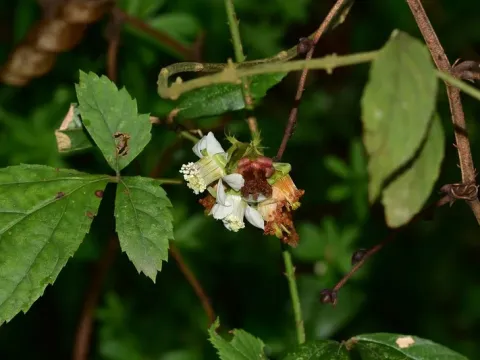
Rubus playfairianus
Rubus playfairianus
Rubus playfairianus is a distinct species of the Rubus genus within the Rosaceae family, native to the mountainous terrains of China. It serves as an important genetic resource for researchers focused on improving bramble fruit varieties and understanding the diversity of the genus.
What the section contains
Rubus playfairianus
The plant thrives in regions with moderate moisture and requires well-drained, nutrient-rich soils. A loamy soil composition with a slightly acidic to neutral pH level is ideal for maintaining the health and vigor of the root system throughout the growing season.
Climate adaptability is a key aspect of its biology, as the plant prefers cooler environments and is susceptible to extreme heat stress. Providing a site with partial shade and wind protection helps ensure steady development and protects the foliage from environmental damage.
Botanically, this species is characterized by its sprawling growth habit, often featuring stems with specialized prickles or pubescence. The foliage exhibits the characteristic serrated edges common to many blackberries, while its root system requires consistent soil moisture to thrive.
Cultivation practices should emphasize the importance of mulching to retain moisture and suppress competitive weed growth around the base of the plant. Regular pruning is essential to remove dead or unproductive wood, ensuring that energy is directed toward healthy fruiting stems.
While not a primary commercial crop, Rubus playfairianus is utilized in specialized breeding programs to incorporate wild traits into cultivated blackberries. Its fruit production is modest, yet it is highly valued by enthusiasts who cultivate diverse and rare species in home gardens.
The berries produced by this species are edible and serve as a source of antioxidants and vitamins. In a home gardening setting, they are typically harvested for direct fresh consumption or small-scale artisanal processing into jams and jellies.
The plant is vulnerable to standard fungal pathogens affecting the Rubus genus, specifically anthracnose and gray mold. These threats are intensified in areas with poor airflow and high humidity, making thinning and pruning critical for disease prevention.
Common pests such as aphids and spider mites can infest the foliage, especially during dry and hot spells. Integrated pest management strategies, including the use of horticultural soaps or beneficial insects, are recommended to maintain plant health without compromising fruit safety.