
Creeping blackberry
Rubus procumbens
Creeping blackberry (Rubus procumbens) belongs to the Rosaceae family. Unlike erect varieties, this culture features prostrate or trailing canes, which necessitates specific cultivation techniques such as trellis support or ground-covering management.
What the section contains
Creeping blackberry
Propagation is primarily vegetative, using tip layering or division of rootstocks. The best planting time is early spring, before active sap flow, or early autumn, provided there is adequate soil moisture.
Seed propagation is rarely used except by breeders, as seeds require a prolonged stratification period of 3 to 6 months to break dormancy. Sowing depth should be kept shallow, no more than 1 cm.
Planting density depends on the cultivar's vigor. Recommended spacing between plants ranges from 1.5 to 2.5 meters to ensure proper airflow and light penetration, which are vital for healthy plant development.
Preparation of planting pits should include the incorporation of organic matter like well-rotted compost or manure to provide a stable nutrient base for the young plants during their initial establishment phase.
This culture thrives in sunny locations protected from harsh winds. Excessive shade leads to reduced sugar accumulation in berries and weak, leggy cane growth, which impairs the plant's overall winter hardiness.
Soils should be fertile, well-draining, and slightly acidic, with a pH range of 5.5 to 6.5. The plant is sensitive to waterlogging, so adequate drainage must be ensured on heavy clay-based sites.
Consistent mulching with peat, straw, or wood chips is essential to maintain soil moisture, regulate root temperature, and suppress weeds. Proper moisture levels are critical for successful fruit development.
Irrigation needs increase significantly during active cane growth and fruit set. Drought stress during these stages can lead to small, flavorless berries and a drastic reduction in total yield.
In regions with harsh winters, winter protection is mandatory. Canes should be carefully detached from the trellis, bent toward the ground, and covered with agricultural fleece or mulch to prevent frost damage to the buds.
The yield of creeping blackberry depends heavily on proper maintenance and site conditions. A well-tended mature bush can produce between 3 to 8 kilograms of high-quality berries per season.
Training canes on a trellis system is key to maximizing yields. This practice separates current-year growth from fruiting canes, optimizing nutrient flow and simplifying the harvesting process for the grower.
Regular pruning is vital to stimulate the development of lateral fruiting branches. Removing dead, diseased, or overcrowded canes ensures the plant focuses its energy on producing healthy, productive shoots.
Targeted fertilization with potassium and phosphorus during the flowering phase significantly enhances fruit quality and improves the firmness of the berries for better post-harvest handling.
Peak productivity typically occurs between the 3rd and 5th year after planting. Long-term yield management requires periodic rejuvenation of the root system and consistent monitoring of plant health.
The strawberry blossom weevil is a significant pest that damages flower buds, potentially causing major yield losses. Preventive application of approved insecticides before bloom is often necessary in high-pressure areas.
Powdery mildew often affects foliage and berries, especially in humid conditions with poor airflow. Maintaining wide spacing between plants and keeping the canopy thinned are the best preventative measures.
Anthracnose and gray mold are common fungal issues during periods of prolonged rainfall. Infected plant parts must be removed and destroyed immediately, and copper-based fungicides can be used for control.
Mites, including the spider mite, can cause leaf deformation and reduced vigor. Monitoring populations during hot, dry spells allows for timely intervention before infestations become severe.
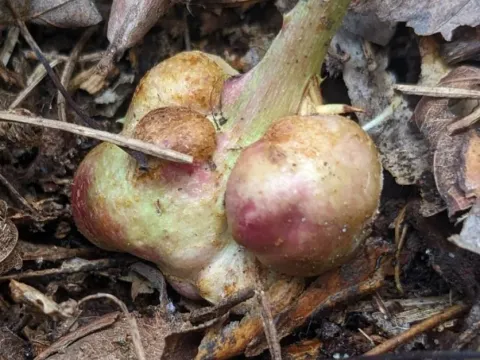
Crown gall is a serious bacterial disease that causes tumor-like growths on roots. The primary management strategy is to source only certified disease-free planting material from reputable nurseries.
Harvesting should be performed selectively as berries do not ripen simultaneously. Fully ripe berries are dark, glossy, and detach easily from the receptacle along with the fruit stem.
The best time for harvesting is in the cool morning hours after the dew has evaporated. Berries harvested during the heat of the day lose turgidity quickly and have a shorter shelf life.
Using shallow containers, such as 0.5–1 kg clamshells, helps prevent crushing the lower layers of the fruit. Blackberry is a delicate crop that requires gentle handling from field to market.
Grading should happen during the picking process. Any damaged, overripe, or diseased berries must be discarded immediately to prevent the contamination of the entire harvest batch.
Post-harvest, the fruit should be cooled as quickly as possible to 2–5 degrees Celsius. This temperature control is essential to maintain fruit quality and extend shelf life for distribution.