
Crataegus pseudoheterophylla
Crataegus pseudoheterophylla
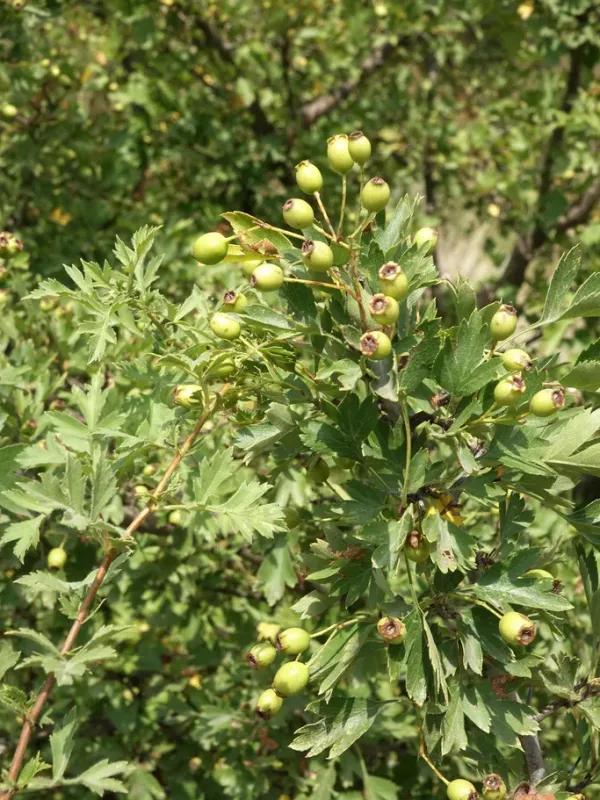
Description
Sowing dates
Propagation of Crataegus pseudoheterophylla is primarily achieved through seeds or grafting onto more common hawthorn rootstocks. The seeds exhibit deep dormancy, requiring a stratification period of 6 to 8 months in cool conditions to break dormancy and ensure germination.
Sowing in open ground is best conducted in autumn immediately after harvesting the fruits, allowing the seeds to undergo a natural winter chilling process. Spring sowing necessitates seed scarification and extended stratification to prevent erratic germination.
For establishing plantations, saplings are typically planted in a 3x4 meter grid to ensure adequate light penetration and space for machinery. During the first two years of development, young plants require supplemental shading and consistent moisture to establish a robust root system.
Vegetative propagation via cuttings is rarely successful, making grafting the standard professional practice in nurseries. This method ensures that the desirable characteristics of the specific cultivar are preserved in the offspring.
The optimal time for transplanting is early spring before bud break or in late autumn during leaf fall. Care must be taken to ensure the root collar is placed exactly at soil level to prevent stem rot.
Growing requirements
Crataegus pseudoheterophylla, a member of the Rosaceae family, is highly valued for its exceptional drought tolerance. It thrives best in full sun; growth and fruit production are significantly compromised in shaded or woodland settings.
While the species is adaptable to various soil types, including loams and rocky soils, it prefers well-drained, fertile sites with a neutral to slightly alkaline pH. Good drainage is critical as the species is intolerant to prolonged waterlogging.
Originating from mountainous regions of Central Asia, this hawthorn is well-adapted to wide temperature fluctuations and harsh winters. Its hardiness makes it a reliable perennial for temperate climate zones, requiring no winter protection once established.
Agricultural management involves regular soil cultivation to eliminate weeds, which can severely stunt young hawthorn plants. Periodic pruning is essential to maintain an open canopy structure, which improves airflow and promotes the development of productive fruit-bearing spurs.
Fertilization regimes should be balanced, with organic compost applied in late autumn and mineral fertilizers supplied in early spring. This promotes vigorous shoot growth and enhances the plant's overall resistance to environmental stresses.
Yield
The time to reach fruit-bearing maturity varies: seedlings usually begin producing fruit after 6–8 years, whereas grafted specimens may yield a harvest within 4–5 years. Yield productivity increases significantly as the plant matures and the canopy is properly managed.
The fruits of Crataegus pseudoheterophylla are recognized for their medicinal properties, containing high levels of anthocyanins, vitamins, and organic acids. They are a valuable raw material for the pharmaceutical industry, specifically in the production of cardiovascular health supplements.
Beyond fruit production, this species serves as an excellent hedge plant. Its thorny branches provide natural security, and its aesthetic appeal during both the flowering and fruiting seasons makes it a dual-purpose horticultural crop.
Average yield per mature bush typically ranges from 5 to 12 kilograms under good management. Proper canopy pruning is key to ensuring that fruit-bearing branches remain accessible for harvesting.
Post-harvest, fruits must be processed or dried promptly to maintain their bioactivity. Drying at temperatures not exceeding 50°C is standard to preserve the essential phytochemicals found in the pulp and seeds.
Main diseases and pests
This species is susceptible to common fungal diseases, including powdery mildew, rust, and various leaf spot infections. Preventative fungicide applications in early spring are highly recommended to mitigate these risks in commercial plantations.
Common pests include aphids, hawthorn mites, and weevils, which can cause significant damage to buds and developing foliage. Integrated pest management, including the targeted use of systemic insecticides, is essential for maintaining crop quality.
Sanitation is a vital aspect of disease prevention; all fallen leaves and infected twigs should be removed and destroyed before winter. Cleaning pruning tools between plants prevents the mechanical spread of fungal spores.
Root rot is a major threat in soils with poor drainage, which can lead to rapid plant decline. Ensuring proper soil aeration and avoiding excessive watering are fundamental to the longevity of the hawthorn shrub.
Continuous monitoring during the flowering and fruit-setting phases is necessary to detect early infestations. Early intervention is significantly more effective than curative measures after a pest outbreak has taken hold.
Harvesting
Harvesting is performed in September or October when the fruits reach full maturity and display their characteristic deep color. It is crucial to collect fruits in dry weather to minimize the risk of post-harvest rot.
Due to the sharp thorns, manual harvesting requires protective gear, such as heavy-duty gloves. Mechanical harvesting with vibratory equipment is possible in well-managed orchards where canopy height is controlled.
After picking, fruits must be sorted to remove any damaged or immature berries, as well as foreign matter like twigs and leaf fragments. This sorting process is critical for maintaining high standards for the final dried product.
Fruits should be stored in ventilated crates immediately after harvest to prevent heat buildup and fungal growth. They should not be kept in large, dense piles, as this leads to rapid fermentation and spoilage.
Properly dried and stored in a cool, dark, and dry environment, the fruit maintains its therapeutic efficacy for up to two years. This longevity makes the hawthorn a highly sustainable crop for the medicinal herb market.