
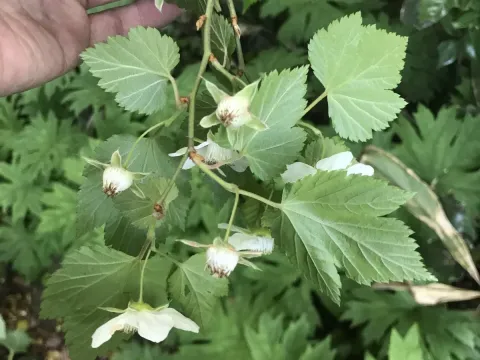
Currant-leaved raspberry
Rubus ribisoideus
The Currant-leaved raspberry (Rubus ribisoideus) is a unique species within the Rosaceae family. It is distinctively characterized by its foliage, which bears a strong resemblance to currant leaves, differentiating it from the more common members of the Rubus genus.
What the section contains
Currant-leaved raspberry
This species is native to the mountainous regions of Southeast Asia, specifically the Philippines. In its natural habitat, it thrives in humid, subtropical environments characterized by stable temperatures and frequent precipitation throughout the year.
Successful cultivation requires fertile, well-draining soil with a pH ranging from slightly acidic to neutral. Providing excellent drainage is essential, as the plant is susceptible to root rot if placed in waterlogged conditions, particularly during the dormant season.
The species prefers partial shade, as exposure to intense, direct sunlight can scorch its delicate foliage. In temperate climates, it is often best grown in sheltered areas or as a greenhouse specimen to provide protection from extreme heat and freezing temperatures.
Agrotechnical maintenance includes consistent moisture management. Mulching the base of the plant is highly recommended to maintain soil temperature and moisture levels, which mimics the environment of its natural forest-floor habitat.
The agricultural usage of Rubus ribisoideus is primarily focused on botanical research and specialty gardening. It is not currently utilized for large-scale commercial berry production due to its specific climate needs and lower yields compared to standard commercial raspberry cultivars.
In a home garden setting, the plant provides a unique aesthetic value and a modest yield of small, flavorful berries. These fruits can be consumed fresh or processed into artisanal jams and jellies, offering a flavor profile unique to this specific species.
Yield management depends heavily on proper pruning techniques. By thinning out older canes and encouraging strong new growth, gardeners can improve the overall productivity of the shrub and ensure larger fruit clusters during the harvest period.
As an exotic species, it serves as a valuable resource for breeders looking to incorporate specific traits, such as unique leaf morphology or potential resistance to certain environmental stressors, into future berry breeding programs.
Optimal nutrition, including a balanced application of organic fertilizers during the early spring, is necessary to support vigorous growth and fruit development throughout the active season.
Currant-leaved raspberry is susceptible to typical Rubus pathogens, including powdery mildew and various types of leaf spot diseases. These are most prevalent in areas with high humidity and poor air circulation within the plant canopy.
Insect pests, such as raspberry beetles and aphids, may target the plant by feeding on buds and emerging leaves. These infestations can significantly weaken the plant if left unmanaged, leading to stunted growth and reduced fruit quality.
Integrated pest management (IPM) practices are recommended for this crop. This includes regular visual inspections of the foliage, immediate removal of symptomatic branches, and the use of natural predators or organic-approved insecticidal soaps when necessary.
Maintaining a clean growing area by eliminating weeds helps reduce the risk of secondary infections and pest colonization. Proper spacing between individual plants is also crucial for preventing the rapid spread of airborne fungal spores.
Early intervention is key to managing threats. By monitoring plant health during the rapid growth phase in late spring, gardeners can mitigate the risks associated with common berry-growing pests and diseases effectively.