
Crataegus pycnoloba
Crataegus pycnoloba
Description
Growing requirements
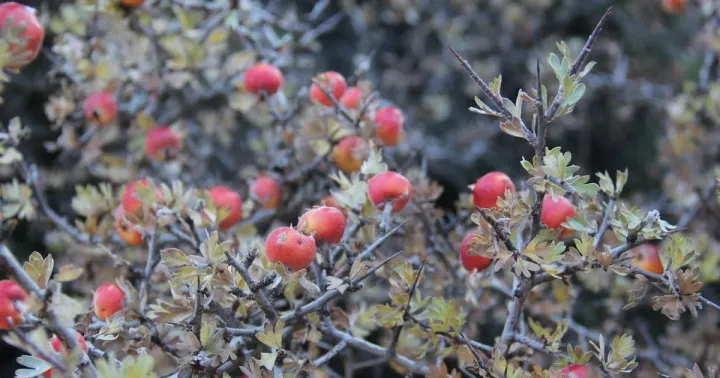
Crataegus pycnoloba is a deciduous shrub or small tree belonging to the Rosaceae family. It is distinct for its unique, deeply lobed foliage, which adds high ornamental value to any landscape. The plant originates from the mountainous regions of Western Asia and the Caucasus.
The species is highly adaptable to various soil types, proving particularly resilient in rocky and calcareous soils where many other fruit crops struggle to survive. This makes it an excellent choice for diverse agricultural and landscaping environments.
Optimal growth is achieved in sunny, well-ventilated locations with well-drained, moderately moist soil. While it shows remarkable drought tolerance once established, consistent moisture during the fruit-set period significantly improves the overall yield and quality of the berries.
The plant demonstrates excellent winter hardiness, making it suitable for a wide range of climatic zones. It does not require special winter protection in regions with temperate climates, provided the planting site is selected to avoid harsh, desiccating winds.
Good agricultural practices for this crop include periodic soil cultivation around the base of the shrub and the occasional application of organic fertilizer to support healthy growth. Strategic pruning is also recommended to ensure the plant remains vigorous and manageable.
Yield
The primary agricultural interest in Crataegus pycnoloba lies in its fruit, which contains valuable bioactive compounds such as flavonoids and antioxidants. These substances are in high demand within the pharmaceutical industry for the production of heart-health supplements.
In addition to industrial use, the berries are highly regarded for their culinary versatility. They are commonly processed into jams, syrups, and herbal teas, serving as a staple in home-based sustainable farming practices focused on health and wellness.
Trees typically reach their full fruit-bearing potential between 5 to 7 years of age. A consistent pruning regimen is essential to maintain high productivity, as it ensures adequate light penetration into the interior of the canopy.
The fruits can be dried for long-term storage, allowing farmers to market their produce effectively throughout the year. The lack of intensive chemical requirements during production enhances the appeal of these berries as a natural and eco-friendly product.
Harvesting is relatively straightforward when the canopy is properly shaped, allowing for efficient manual collection. The crop remains stable and productive for many years, providing a reliable annual yield with minimal input costs.
Main diseases and pests
Common plant health issues include fungal infections like powdery mildew and rust, especially in areas with stagnant air and high humidity. Maintaining proper spacing between plants is a crucial preventive measure to promote airflow.
Insect pests, such as aphids and spider mites, may periodically impact the foliage. In such cases, the use of biological control agents or targeted, organic-compliant treatments is recommended to preserve the integrity of the ecosystem surrounding the orchard.
Regular sanitation of the planting site, including the removal of fallen leaves, is vital to prevent the accumulation of pathogens and overwintering insect larvae. This simple practice significantly reduces the pressure from common garden pests.
Ensuring that the plant remains healthy through proper watering and nutrition is the first line of defense against diseases. Vigorous trees are significantly more resilient to attacks than those suffering from nutrient deficiencies or physical stress.
By implementing these sustainable management strategies, growers can effectively protect their Crataegus pycnoloba crops, ensuring long-term health and consistent performance with minimal reliance on synthetic pesticides.