
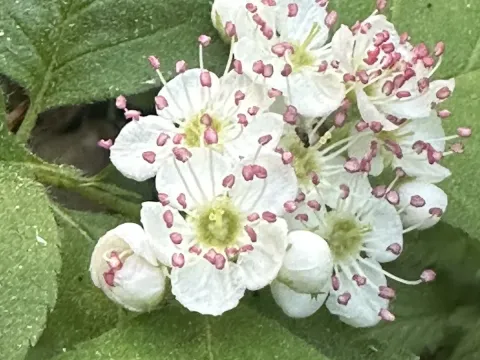
Crataegus sanguinea
Crataegus sanguinea
Crataegus sanguinea, known as the Siberian hawthorn, belongs to the Rosaceae family and is a robust deciduous shrub or small tree. Propagation is typically achieved through seeds, which require a lengthy stratification process lasting several months to break dormancy.
What the section contains
Crataegus sanguinea
Autumn sowing is often the most effective method, as the seeds undergo natural cold stratification throughout the winter. If spring sowing is planned, seeds must be kept in cool, moist conditions for a long period to ensure successful germination.
When establishing orchards or hedge rows, nursery-grown seedlings aged two to three years are preferred. Planting should occur in early spring before the buds break or in late autumn, ensuring each plant has enough space for proper crown development.
The root system is extensive and deep, providing excellent stability even in challenging soil types. This longevity makes the Siberian hawthorn an ideal choice for permanent landscaping, windbreaks, and erosion control projects.
This species is highly adaptable and extremely winter-hardy, allowing it to thrive in the harsh climatic conditions of the forest and forest-steppe zones of Eurasia.
Siberian hawthorn thrives in fertile, well-draining loamy or sandy soils with a neutral or slightly alkaline pH. It is a sun-loving plant and should be placed in areas that receive full sunlight to maximize fruit production.
While the shrub is drought-tolerant once established, supplemental watering during prolonged dry spells is essential for maintaining fruit size and overall plant vigor. Excessive waterlogging should be avoided to prevent root diseases.
Pruning is a critical aspect of its care, helping to maintain a manageable size and encouraging better air circulation within the canopy. Regular thinning removes old, crossing branches and prevents the bush from becoming overcrowded.
The plant responds well to annual spring fertilization using organic compost or balanced mineral fertilizers. It is also known for its resilience to urban pollution, making it a sustainable choice for city park planting and green belts.
Consistent maintenance of the soil moisture and periodic pruning are key to ensuring the shrub remains healthy and productive over its lifespan, which can extend for many decades.
The yield of Crataegus sanguinea varies depending on environmental conditions, age, and exposure to sunlight. A mature, well-maintained shrub can produce significant annual harvests, ranging from 5 to 15 kilograms of berries.
Fruit production typically begins 6 to 8 years after planting from seeds, though growth can be faster if started from vegetative cuttings. Peak productivity is reached when the plant is between 15 and 30 years old.
Environmental factors, particularly the presence of pollinators during the flowering period, significantly influence yield results. Protecting the blossoms from late spring frosts is also vital for ensuring a successful harvest.
Berries are harvested manually once they achieve their characteristic dark red color and become slightly soft. It is crucial to collect them in dry weather to prevent moisture-related degradation during storage.
Proper soil management and the removal of competing weeds contribute to higher yields and better quality fruit, which is highly valued for its medicinal and culinary applications.
The most common health issues for Siberian hawthorn include fungal diseases like powdery mildew, rust, and leaf spot. These pathogens are most prevalent in humid conditions and can cause premature leaf loss if not addressed.
Pests such as aphids, mites, and various defoliating insects can also pose threats, often weakening the plant and reducing its overall resilience. Regular monitoring is essential to catch these issues in the early stages.
- Apply protective fungicides early in the spring if previous infestations occurred.
- Prune to improve airflow, which naturally reduces humidity-based fungal growth.
- Collect and remove fallen leaves at the end of the season to eliminate fungal spores.
- Use targeted insecticides or organic pest control methods when populations peak.
- Maintain adequate plant spacing to prevent the easy spread of pests and diseases.
Integrative pest management, focusing on early detection and prevention, is more effective and environmentally friendly than heavy reliance on chemical intervention.
Harvesting Crataegus sanguinea is a delicate process, as the fruit is prone to bruising. Berries must be picked by hand, placing them carefully into shallow containers to ensure adequate ventilation.
The harvested fruit is highly valued in both the pharmaceutical and food industries for its rich vitamin content. It is commonly processed into heart-health supplements, syrups, jams, and herbal teas.
Immediate post-harvest processing is required to preserve quality. Drying is the most common method, performed in ventilated rooms or commercial dehydrators at temperatures up to 60 degrees Celsius to retain active compounds.
Quality control during harvest is essential; damaged or diseased berries must be discarded to prevent contamination of the entire batch. Cleanliness ensures the final product meets safety standards.
Once dried, the berries should be stored in breathable containers in a cool, dark, and dry environment. This keeps the medicinal properties intact for up to two years, ready for consumer or industrial use.