
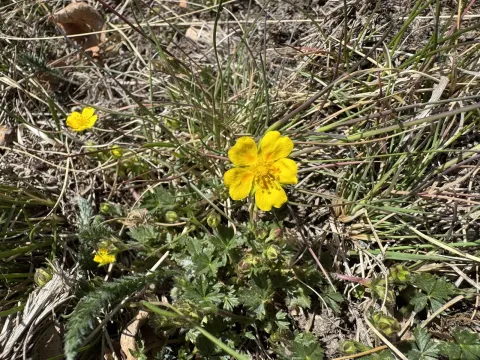
Crantz's cinquefoil
Potentilla crantzii
Seeds of Potentilla crantzii should be sown in autumn for natural stratification or in spring following a month-long period of cold treatment at +2 to +4°C.
What the section contains
Crantz's cinquefoil
When sowing in open ground, seeds should be covered with only a thin layer of soil, as exposure to light is necessary for successful germination.
The optimal planting time for seedlings is in May, once the danger of heavy frost has passed, ensuring the plants have enough time to establish before winter.
Starting seeds in small trays and transplanting into individual peat pots is highly recommended to protect the sensitive root structure during handling.
Spacings of at least 25-30 cm between plants are required to allow for adequate air circulation, which helps maintain plant health throughout the growing season.
Crantz's cinquefoil is a hardy herbaceous perennial belonging to the Rosaceae family, known for its ability to thrive in harsh, high-altitude alpine environments.
The species prefers well-drained, slightly acidic to neutral soils; it is vital to avoid waterlogged conditions that can cause damage to the root system.
Full sunlight is essential for this plant to produce its characteristic vibrant blooms and to maintain a compact, vigorous growth habit over many years.
While adapted to nutrient-poor soils in nature, the plant benefits from moderate organic matter and occasional light fertilization during the active growth phase.
In garden settings, watering should be consistent but moderate, with special care taken to ensure the soil surface dries out slightly between irrigation cycles.
Powdery mildew and various leaf spot diseases are the primary threats, often exacerbated by poor air ventilation and excessive moisture in the surrounding environment.
Insect pests, such as aphids and spider mites, may infest the tender foliage during dry periods, potentially reducing the overall vitality of the plant.
Preventative measures include the prompt removal of dead or decaying plant tissue and maintaining adequate distance between individual specimens in the planting scheme.
If an infestation occurs, targeted application of organic or systemic fungicides and insecticides is recommended to manage populations without disrupting the local ecosystem.
Monitoring the soil drainage quality and preventing the accumulation of water around the crown are critical steps in reducing the risk of root-related pathogens.