
Cutleaf agrimony
Agrimonia incisa
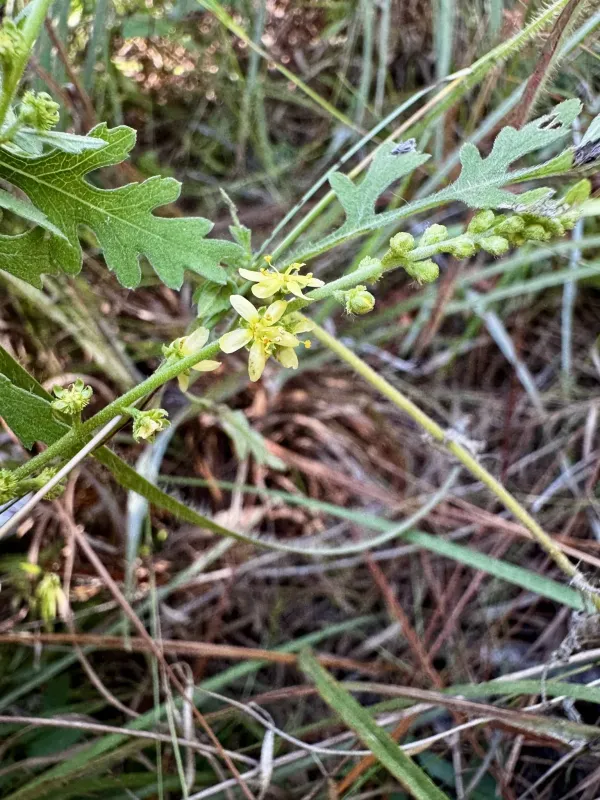
Description
Growing requirements
Cutleaf agrimony (Agrimonia incisa) is a perennial herb belonging to the Rosaceae family. This species is native to North America, where it thrives in various habitats including open woodlands and dry prairies.
The crop prefers well-drained, fertile soil with a neutral pH. It requires consistent exposure to sunlight, as excessive shade can result in lower concentrations of essential compounds within the plant tissues.
In terms of climate, the species demonstrates good adaptability to temperate environments. While it is hardy, the plant benefits from protection against harsh winter winds and prefers moderate rainfall throughout the growing season.
Agronomic management involves maintaining weed-free rows, especially during the establishment phase, as the young plants are sensitive to competition for nutrients and space.
Economic use of this culture includes the production of herbal extracts utilized in the pharmaceutical and wellness sectors due to the presence of potent phytochemicals and tannins.
Main diseases and pests
Powdery mildew is considered one of the primary fungal threats to this crop, particularly in environments with poor air circulation or consistently high humidity during the summer months.
Pests such as aphids and mites often target the tender shoots, potentially stunting the growth and reducing the biomass yield required for commercial processing.
Root rot represents a significant risk if the cultivation field lacks proper drainage systems, leading to waterlogged conditions that weaken the plant's natural defense mechanisms.
To mitigate these risks, farmers are advised to implement strict integrated pest management (IPM) practices, emphasizing the use of resistant varieties and early detection of symptoms.
Regular field scouting is essential to identify the onset of disease outbreaks, allowing for timely intervention with biological control agents that protect the medicinal integrity of the crop.