
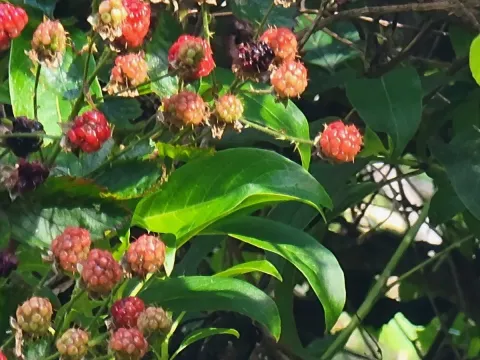
Rubus penetrans
Rubus penetrans
Rubus penetrans is a perennial shrub belonging to the Rosaceae family, recognized for its vigorous growth habits and specialized biological mechanisms for propagation via stem rooting.
What the section contains
Rubus penetrans
The plant thrives in regions with temperate climates, requiring full sun exposure to ensure optimal photosynthesis and fruit development throughout the active growing season.
Well-draining, fertile soils with a slightly acidic profile are ideal for this crop, as moisture management is essential to prevent root rot and other soil-borne conditions.
Effective agronomic management requires the use of trellis systems to support the long canes, which improves fruit quality and makes harvesting much more efficient.
Regular maintenance, including strategic pruning and balanced fertilization, is vital for managing the biomass and ensuring the plant remains productive year after year.
The most common disease threats for Rubus penetrans involve fungal infections such as cane blight and leaf rust, which are triggered by stagnant air and excess canopy density.
Pest pressures include infestations from aphids and mites that target new growth, causing stunted development and reducing overall photosynthetic efficiency.
Integrated pest management strategies are recommended, focusing on early detection and the use of targeted sprays to protect beneficial insect populations.
Proper pruning techniques are not only for yield improvement but also serve as a sanitation practice to remove infected plant tissues before pathogens spread.
Monitoring the plantation for signs of chlorosis or leaf spot helps in applying corrective nutrient adjustments or fungicides in a timely manner to save the crop.