
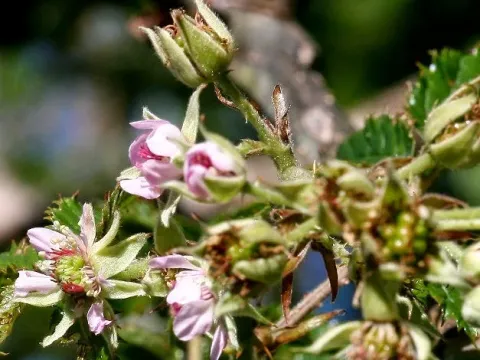
Rubus pinnatus
Rubus pinnatus
Rubus pinnatus is a perennial shrub belonging to the Rosaceae family. This species is native to the mountainous regions of tropical Africa, where it thrives in high-altitude environments characterized by consistent moisture and moderate temperatures, making it a unique member of the Rubus genus.
What the section contains
Rubus pinnatus
The plant is distinguished by its pinnate leaves and vigorous growth habit, typical for many African blackberry relatives. It requires a specific microclimate to fruit successfully, usually preferring locations with high humidity and protection from extreme temperature fluctuations.
Soil requirements for optimal growth include deep, well-draining soils that are rich in organic matter. While the plant can adapt to various soil types, it performs best in loamy substrates with a slightly acidic to neutral pH balance, ensuring healthy root development.
In terms of light exposure, Rubus pinnatus prefers partial shade or dappled sunlight. Intense, direct sun can stress the plant, leading to leaf scorching and premature wilting, especially during the peak of the dry season in its native habitat.
Agricultural management requires consistent irrigation during the growth cycle, particularly when the berries are developing. Furthermore, mulching is highly recommended to regulate soil temperature and retain moisture, which significantly improves the overall vigor of the shrub.
The plant is susceptible to various fungal pathogens that thrive in high humidity, such as leaf spot and various rots. Managing plant density and ensuring proper pruning practices are essential to promote airflow and reduce the humidity levels trapped within the canopy.
Pest pressure from aphids and spider mites can become significant during drier periods. Growers are advised to implement integrated pest management strategies, focusing on biological controls and the removal of infested plant parts to maintain the health of the cultivation.