
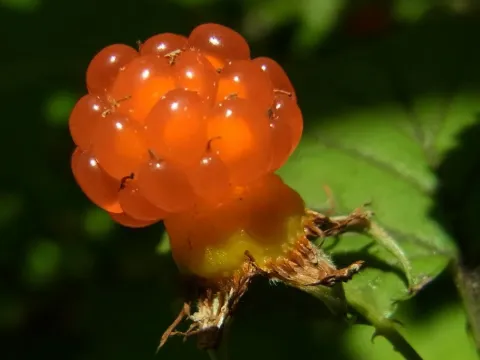
Rubus peltatus
Rubus peltatus
The propagation of Rubus peltatus in agricultural settings is predominantly achieved through vegetative methods, specifically using root suckers or division of mature root clumps.
What the section contains
Rubus peltatus
Early spring, as soon as the soil reaches a workable temperature, is considered the ideal window for establishing new plantations to ensure strong root development.
Autumn planting is also viable in regions with mild winters, providing the plants sufficient time to establish before the onset of the next growing season.
When sowing seeds, which is less common for mass production, a long cold stratification period is essential to break embryo dormancy and improve germination rates.
Proper spacing is crucial; maintaining at least 1.5 to 2 meters between plants allows for adequate airflow and facilitates harvesting operations in mature plantings.
Rubus peltatus belongs to the Rosaceae family and originates from mountainous tropical and subtropical regions, necessitating specific moisture and thermal conditions.
The crop thrives in well-drained, fertile soil rich in organic matter, preferring a slightly acidic soil reaction to optimize nutrient uptake and overall plant vigor.
Consistent moisture levels are required, particularly during the flowering and fruit-setting stages, though waterlogging must be strictly avoided to prevent root death.
While the plant benefits from abundant sunlight, it performs best in regions where the mid-day sun is not excessively intense, potentially requiring light shading.
Agricultural management should include regular fertilization with balanced NPK ratios, supplemented with micronutrients to support continuous vegetative and reproductive growth.
Common agricultural threats include various leaf-spotting fungi and botrytis, which can rapidly spread in dense canopy conditions with poor ventilation.
Pests such as aphids, mites, and cane borers pose significant risks to the commercial yield by damaging the vascular system or foliage of the Rubus plants.
Effective disease control strategies focus on integrated pest management, including the use of resistant varieties, crop rotation, and periodic field sanitation.
Soil-borne pathogens like Phytophthora species require rigorous attention to drainage systems to ensure that the root zone remains aerobic and healthy.
Timely monitoring and early intervention are essential to minimize economic losses, as pests can quickly compromise the quality and appearance of the harvestable berries.
Harvesting Rubus peltatus requires careful handling as the fruits are delicate and susceptible to bruising during the picking and sorting process.
Picking should ideally be conducted during the cooler parts of the day to extend the shelf life of the berries and preserve their nutritional quality.
The berries are typically gathered manually, ensuring that only fully ripe fruits are selected to achieve the best taste profile and maximum sugar content.
Post-harvest storage must involve rapid cooling to stabilize the produce and prevent the development of spoilage organisms, such as gray mold.
The harvesting window can be extended through proper irrigation management, allowing for multiple pickings over several weeks during the peak season.