
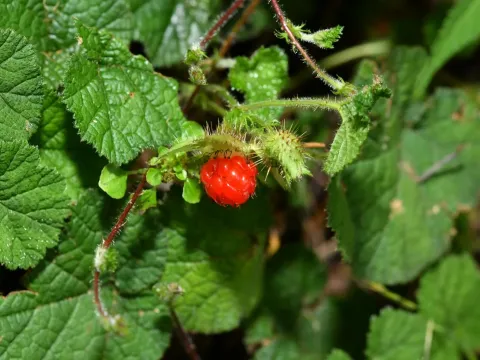
Rubus pectinellus
Rubus pectinellus
Rubus pectinellus belongs to the Rosaceae family and is recognized as a unique, low-growing, prostrate species of the blackberry group, native to the forest regions of East Asia.
What the section contains
Rubus pectinellus
This culture thrives in temperate and cool climates, favoring high humidity and environments that mimic the floor of mountain forests with moderate temperatures throughout the growing season.
Success in cultivation requires acidic to slightly acidic soil, which must be rich in organic matter and possess an excellent drainage system to prevent waterlogging.
Exposure to direct, intense midday sun should be avoided; instead, growers should choose spots that offer dappled light or partial shade to protect the delicate foliage from scorching.
Consistent moisture levels are vital for this plant, as it has a relatively shallow root system that is highly susceptible to dehydration during dry spells.
The primary threats to Rubus pectinellus include fungal pathogens such as powdery mildew and grey mold, which can rapidly spread in stagnant, humid environments without proper airflow.
Root rot, often caused by poor drainage or excessive irrigation, represents a critical danger that can lead to the rapid decline and death of the plant.
Common pests such as aphids and spider mites frequently target these plants, feeding on the undersides of leaves and weakening the overall vigor of the cultivar.
Regular maintenance, including the selective pruning of dead or diseased stems, is essential to minimize the breeding grounds for fungal diseases and harmful insects.
Applying integrated pest management (IPM) strategies, including biological control agents, is recommended to keep the plant healthy without relying on broad-spectrum pesticides.