
Rubus parvus
Rubus parvus
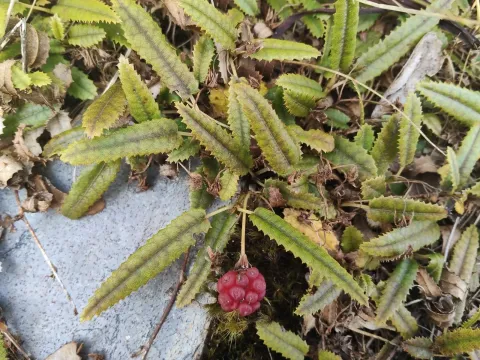
Rubus parvus, commonly known as the small-leaved bramble, is a distinct creeping shrub belonging to the Rosaceae family. It is native to the alpine regions of New Zealand, where it thrives in cool, damp, and sheltered forest floor environments.
What the section contains
Rubus parvus
Botanically, it is characterized by its prostrate stems that root at the nodes, creating a dense ground cover. The leaves are typically thick, leathery, and have a glossy texture, providing year-round aesthetic appeal.
The plant requires acidic, well-draining, and humus-rich soil to reach its full potential. It is highly intolerant of waterlogged conditions, which can lead to rapid root decay, so selecting a site with natural or artificial drainage is critical.
Optimal growth occurs in partial shade. While the plant can tolerate some sunlight in cooler climates, excessive heat and direct sun exposure often lead to leaf scorch and dehydration. A stable, cool temperature range is essential for its vitality.
Mulching is a standard practice for Rubus parvus cultivation. Applying organic mulch, such as pine bark or compost, helps maintain consistent soil moisture and temperature, mimicking the natural woodland conditions to which the plant is adapted.
The yield of Rubus parvus consists of small, flavorful, dark-colored berries that possess a unique, slightly tart taste. Although not cultivated for mass commercial fruit production, the species is highly valued by hobbyists and specialty nurseries.
Production typically begins two to three years after establishment, once the plant has developed a strong network of stems. The harvest period can be quite extended, requiring multiple pickings to ensure the berries are harvested at peak ripeness.
Its primary agricultural use is as an ornamental ground cover that provides a secondary fruit harvest. It is an excellent choice for rock gardens or shaded borders where low-maintenance, visually appealing plants are desired.
To maximize yield, growers should focus on adequate potassium nutrition during the fruit-set stage. Balanced liquid fertilizers, applied during the active growing season, help improve fruit size and general plant vigor.
Proper thinning of the stems can improve airflow throughout the patch, which indirectly increases fruit quality and reduces the incidence of physiological disorders or fungal infections that thrive in stagnant conditions.
Fungal diseases, specifically gray mold (Botrytis) and various leaf spots, represent the most significant threat to Rubus parvus. These often occur when humidity is too high and airflow around the creeping stems is restricted.
Spider mites are the most common pest, especially when conditions become too warm or dry. If left unmanaged, they can quickly cause leaf yellowing and premature defoliation, severely weakening the plant.
Aphids may infest the young tender tips during the spring flush. While usually not lethal, they can cause curled, distorted leaf growth that ruins the ornamental value and reduces the plant's overall energy production.
Root rot, driven by poor soil drainage, is a common cause of failure in Rubus parvus plantings. It is important to monitor soil moisture levels closely, especially during periods of heavy rainfall, to prevent the roots from suffocating.
Maintaining a clean garden environment is vital for disease control. Regularly removing dead or diseased foliage from the base of the plant minimizes the survival of pathogens throughout the winter, ensuring a healthier start to the next growing season.