
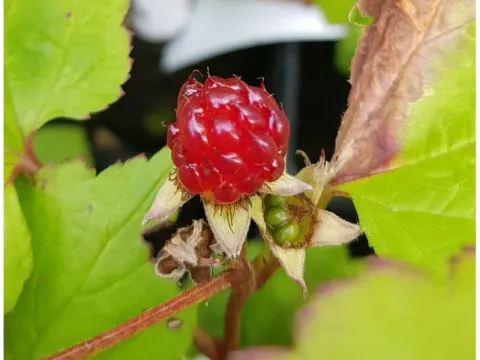
Rubus pectinarioides
Rubus pectinarioides
Rubus pectinarioides is a distinctive member of the Rosaceae family, recognized for its specific morphological traits that differentiate it from more common commercial blackberry species. Its botanical structure features unique, comb-like stems, making it a subject of interest for both botanical collections and specialized plant breeders.
What the section contains
Rubus pectinarioides
The plant originates from mountainous regions, which dictates its preference for cool, humid climates. Unlike high-yield industrial cultivars, this species requires specific environmental conditions that mimic its native high-altitude habitats to thrive and maintain its vegetative integrity throughout the growing season.
Cultivation requires well-drained, nutrient-rich soils with a slightly acidic pH. The root system is delicate and prone to waterlogging, therefore soil aeration is a critical management factor. It is highly recommended to choose locations that provide protection from intense midday heat and harsh direct sunlight.
Management practices for this crop focus on moisture retention through mulching, which protects the surface root system from temperature fluctuations. While it does not require the heavy fertilization schedules of commercial fruits, providing balanced organic nutrients during the early spring encourages healthy development.
In terms of хозяйственное (economic) use, Rubus pectinarioides is primarily valued for its ornamental potential in rock gardens or as a groundcover due to its unique texture. It serves as a genetic resource for researchers aiming to understand cold-hardiness and environmental adaptability in the Rubus genus.
The primary agronomic threats include root rot diseases, often triggered by poor soil structure and excessive irrigation. Ensuring adequate drainage and avoiding high-humidity pockets around the base of the plant are the best preventive measures against soil-borne pathogens.
Pest management should focus on monitoring for spider mites and aphids, which can compromise the plant's health in dry conditions. Utilizing sustainable pest control methods and maintaining strong plant vigor through proper site selection are key to minimizing these threats.