
Rubus paniculatus
Rubus paniculatus
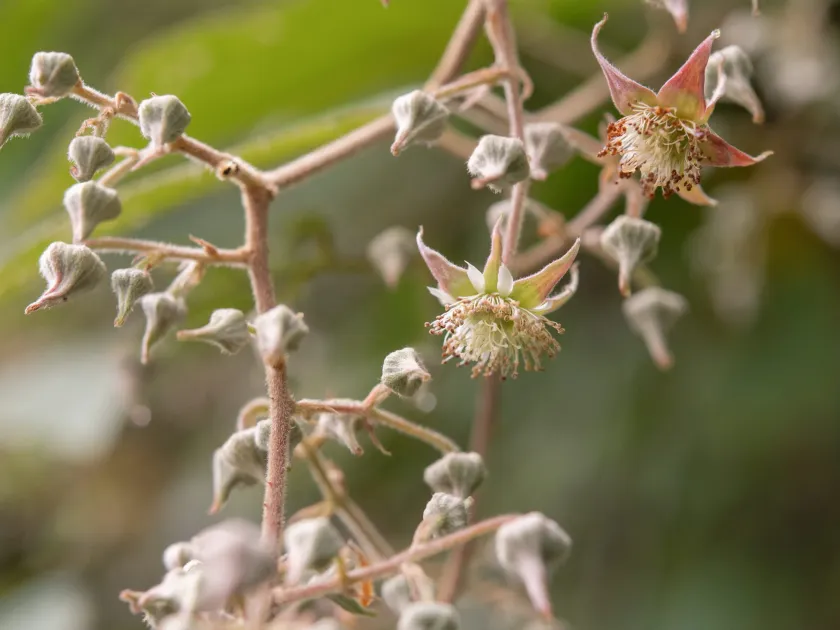
Description
Growing requirements
Rubus paniculatus is a perennial shrub species belonging to the Rosaceae family. It is distinct for its paniculate inflorescences and is recognized for its unique adaptation to highland ecosystems in Asia.
The plant originates from the mountainous regions of the Himalayas and other parts of Asia. It thrives in temperate, humid environments, often colonizing forest edges and well-drained slopes in its natural habitat.
To cultivate this species successfully, growers must ensure well-drained soil with high organic matter content. It prefers slightly acidic to neutral soil types that prevent waterlogging during rainy seasons.
Environmental requirements include a balanced climate with sufficient sunlight and moderate humidity levels. While the plant can tolerate partial shade, it produces higher yields when exposed to adequate morning light.
Agrotechnical management involves regular pruning to maintain plant vigor and encourage the growth of new fruiting canes. Fertilization should be focused on providing balanced nutrients during the early spring growth phase.
Main diseases and pests
The primary pathological threats to Rubus paniculatus include various fungal pathogens, notably gray mold and anthracnose, which thrive in high-humidity conditions and poor air circulation.
Pest management is focused on controlling raspberry beetles and spider mites. These pests can significantly reduce the vitality of the plant and impact the overall quality of the fruit crop.
Preventative cultural practices are essential, such as ensuring adequate spacing between plants to maximize airflow and minimize the duration of leaf wetness after irrigation or rainfall.
Soil management, including the use of appropriate drainage techniques, is critical to preventing root rot caused by stagnant water, which is a major physiological threat to this species.
Integrated pest management strategies are recommended, utilizing a combination of sanitary pruning, biological controls, and judicious application of protective sprays when monitoring indicates threshold levels.