
Rubus palmatus
Rubus palmatus
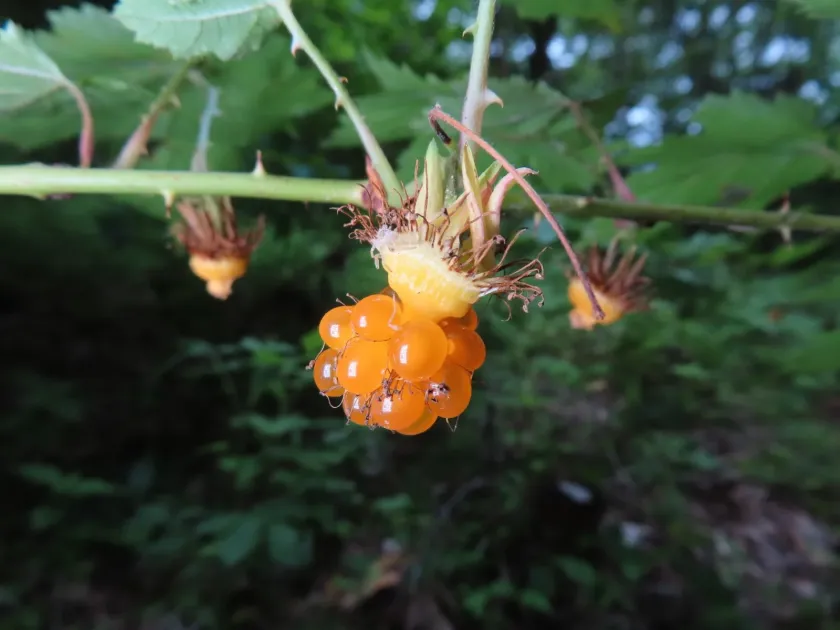
Description
Sowing dates
Propagation of Rubus palmatus is primarily achieved through vegetative methods, such as root suckers or stem cuttings, which ensure the offspring maintain the characteristics of the parent plant. The best time for planting is early spring or autumn, depending on local climate conditions.
Seed propagation is possible but typically reserved for breeding purposes. Seeds require a period of cold stratification for several months to break dormancy. They should be sown in a high-quality, well-draining seed-starting mix under protected conditions.
Preparing the soil is essential for successful establishment. It is recommended to incorporate organic matter like compost to enhance soil structure and fertility. Rubus palmatus prefers slightly acidic to neutral soil pH levels.
Spacing is critical for healthy development. Plants should be placed approximately 1 to 1.5 meters apart to ensure proper airflow, which prevents the build-up of excess moisture around the foliage and reduces fungal risks.
Mulching the root zone after planting helps regulate soil temperature and moisture. Using organic mulch, such as pine bark or straw, protects the shallow root system from extreme fluctuations in weather.
Growing requirements
Rubus palmatus, a member of the Rosaceae family, is a deciduous shrub native to East Asia, including regions in Japan and China. It is valued for its unique foliage and berry-producing capabilities in temperate climates.
The plant thrives in partial shade, mimicking its natural habitat on forest edges. While it can tolerate some sun, excessive heat or intense midday direct light can scorch the leaves and negatively impact fruit development.
Water requirements are relatively high during the growing season. The soil must remain consistently moist but well-drained. Overwatering can quickly lead to root rot, which is a common issue for many Rubus species in heavy clay soils.
Climate adaptability varies; however, Rubus palmatus prefers mild winters. In regions prone to frost, providing winter protection for the root zone or moving container-grown specimens indoors is advised to preserve plant viability.
Fertilization should be balanced. Applying a slow-release organic fertilizer in early spring promotes vigorous cane growth. Avoid excessive nitrogen late in the season to ensure canes harden off before winter temperatures drop.
Main diseases and pests
Fungal diseases such as anthracnose and gray mold are common threats to Rubus palmatus, particularly in humid and rainy climates. These pathogens can affect both the leaves and the fruits, reducing the overall harvest.
Pests like spider mites and aphids can become a nuisance. They often congregate on the undersides of leaves, weakening the plant by sucking sap. Monitoring the plant closely during hot, dry spells is crucial for timely intervention.
Sanitation is the most effective management strategy. Regularly removing and destroying infected canes prevents the spread of pathogens throughout the patch. Pruning should be performed with sterile tools to avoid transmission.
Ensuring optimal airflow through correct pruning practices prevents the accumulation of humidity, which is the primary driver of most fungal diseases. A well-pruned plant is significantly more resilient.
- Remove all dead or damaged canes during the dormant season.
- Monitor for discoloration or unusual spots on foliage.
- Use integrated pest management to keep insect populations in check.