
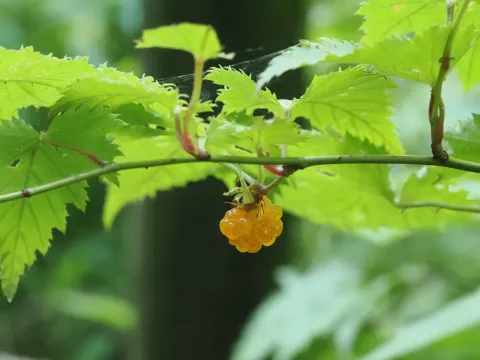
Rubus palmatoides
Rubus palmatoides
Planting Rubus palmatoides is best conducted during the early spring or mid-autumn, ensuring the soil has sufficient moisture for the root system to establish.
What the section contains
Rubus palmatoides
The chosen site must be prepared with high-quality organic matter to ensure adequate nutrient availability during the crucial first growing season.
When establishing a plantation, the distance between rows should be at least 2.5 meters to allow for maintenance equipment and human access for harvesting.
Young plants should be placed into prepared pits that allow for a horizontal spread of roots, avoiding any deep burial of the crown.
Immediately after planting, cutting back the stems to approximately 20-30 cm encourages the development of strong, healthy new shoots.
Rubus palmatoides thrives in the Rosaceae family, requiring well-drained, fertile soil that maintains a consistent moisture level throughout the summer.
Full sun exposure is preferred to maximize the sugar content of the fruit and to minimize the incidence of fungal diseases on the foliage.
Soil pH should ideally be maintained between 5.5 and 6.5, which is achieved through regular soil testing and targeted amendment applications.
Mulching with straw or wood chips helps to suppress weeds and maintain a stable root temperature, which is beneficial for vigorous plant growth.
Trellising systems are highly recommended for this culture to keep the berries away from the soil and to facilitate easier management and harvesting.
Common agricultural threats include rust and various leaf spot pathogens that flourish when canopy ventilation is insufficient.
Insect pests, specifically sap-sucking insects and leaf-miners, can cause significant stress to the plants, leading to reduced overall yield.
Implementing an Integrated Pest Management (IPM) strategy helps to minimize the need for chemical interventions and promotes beneficial insect populations.
Routine sanitation, including the removal of infected plant debris, is the most effective way to control pathogens within the berry field.
Monitoring for signs of root rot is essential in clay-heavy soils, as constant waterlogging is a primary factor for plant mortality.
Harvesting Rubus palmatoides requires careful handling, as the berries are highly perishable and prone to bruising if managed incorrectly.
The optimal harvest window is determined by the fruit firmness and color intensity, which signifies the peak ripeness for commercial markets.
Berries should be packed directly into retail-ready containers to reduce the frequency of handling and the associated risk of post-harvest decay.
Post-harvest cooling is mandatory for maintaining the shelf life and quality of the produce before it reaches the end consumer.
After the harvest season, old canes that have produced fruit should be pruned to the ground to allow light and resources for new vegetation.