
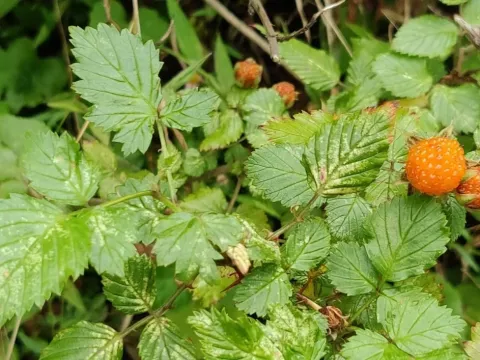
Rubus macilentus
Rubus macilentus
Rubus macilentus is a perennial shrub belonging to the Rosaceae family, native to the Himalayan regions. This plant is known for its graceful, arching growth habit and its ability to thrive in mountain ecosystems.
What the section contains
Rubus macilentus
The species requires well-drained, nutrient-rich soil with a slightly acidic profile. To ensure optimal development, the soil should be enriched with organic matter or compost before planting to provide essential minerals.
Climate requirements for this culture include cool to moderate temperatures and high atmospheric humidity. It is typically found in forested areas, indicating a preference for filtered light rather than direct, intense sunlight.
Botanically, the plant features trifoliate leaves and thin stems covered in fine prickles. The growth cycle follows the seasons, with vegetative expansion occurring in spring and fruit ripening during the summer months.
Agrotechnical management involves careful pruning of old canes to favor the production of new stems. Adequate spacing between individual plants is necessary to prevent overcrowding and to promote healthy air circulation throughout the shrub.
Major threats to the health of Rubus macilentus include fungal diseases such as botrytis and rust, which are particularly problematic in stagnant, overly humid growing conditions.
Pests that commonly impact this crop include aphids, spider mites, and the raspberry beetle, all of which target the foliage or developing flower buds and fruit.
Maintaining a clean growing environment by removing dead plant matter reduces the prevalence of common pathogens that thrive in decaying vegetation.
Regular monitoring of the leaf undersides is recommended to detect mite infestations early, allowing for targeted intervention before the damage becomes severe.
In cases of severe infestation, using horticultural oils or soaps may provide effective control without harming the ecological balance of the plant's surroundings.