
Osteomeles
Osteomeles
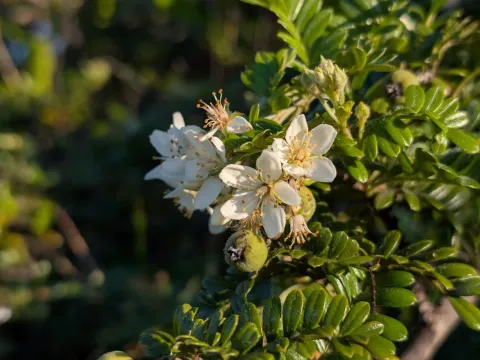
Osteomeles is a genus of flowering shrubs within the Rosaceae family. Native to East Asia and the Pacific Islands, these plants are known for their delicate, pinnate foliage and clusters of small, white, fragrant flowers that appear in spring and early summer.
What the section contains


Osteomeles
Successful cultivation requires well-drained, fertile soil. These plants thrive in neutral to slightly acidic conditions. It is crucial to ensure that the site has excellent drainage, as the root system is susceptible to decay if exposed to waterlogging for extended periods.
The plant requires full sun to partial shade for optimal development. In temperate regions, it is best suited for sheltered spots where it can be protected from harsh winter winds, as most species are not fully hardy and may require protection during freezing temperatures.
Agrotechnical practices involve regular formative pruning, which is essential to maintain a neat habit. The species are highly valued in the art of bonsai because their growth pattern is naturally slow and they respond well to wiring and structural pruning techniques.
Economically and ornamentally, Osteomeles is primarily used in landscaping to create low hedges or rock garden features. Their small, berry-like pomes add visual interest in the autumn, making them a popular choice for collectors of unique woody plants.
Like many members of the Rosaceae family, Osteomeles is prone to fungal issues. Powdery mildew is a common concern during humid, stagnant weather, which can lead to premature leaf drop and stunted shoot development.
Pests such as aphids and scale insects are the most frequent threats. These sap-sucking insects colonize the younger stems and the underside of leaves, sapping the plant's vitality and creating honeydew, which can invite secondary fungal growth like sooty mold.
Bacterial blight can also pose a risk if the plant is stressed or wounded during pruning. Proper sanitation of tools is essential to prevent the transmission of pathogens from one plant to another during the maintenance season.
Integrated pest management is recommended for maintaining healthy specimens. This includes regular inspection of the foliage and the application of horticultural oils or systemic insecticides if infestations are detected early.
Providing adequate spacing between plants improves airflow and significantly reduces the risk of moisture-related diseases. Healthy nutrition and moderate hydration ensure that the plant has the necessary vigor to resist minor pest pressure.