
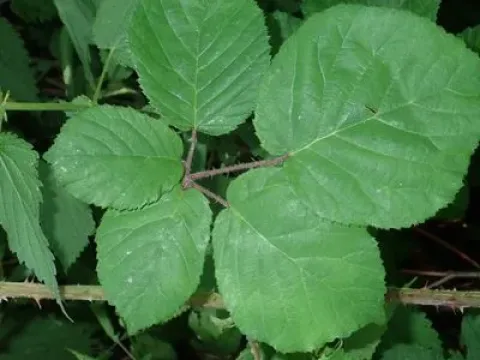
Bregutiensis Blackberry
Rubus bregutiensis
Bregutiensis blackberry (Rubus bregutiensis) is a perennial shrub classified within the Rosaceae family. This species is recognized for its distinct morphological traits within the European bramble complex, adapted to specific ecological niches.
What the section contains
Bregutiensis Blackberry
The plant originates from the European continent, where it typically inhabits forest margins, hillsides, and areas with stable humidity levels. It has evolved to thrive in environments that provide a mix of dappled sunlight and protection from extreme weather conditions.
Successful cultivation requires well-drained, fertile soil, ideally with a neutral to slightly acidic pH. The plant performs best when the organic content of the soil is high, ensuring consistent nutrient availability throughout the growing season.
Agronomic management involves structural pruning to maintain airflow and light penetration. By training the canes on a trellis or support system, farmers can ensure the health of the foliage and facilitate more efficient management of the blackberry patch.
The water requirements of Rubus bregutiensis are particularly critical during the flowering and fruit-setting stages. Consistent moisture helps in achieving uniform fruit size and prevents the stress that often leads to stunted growth or premature cane dieback.
Common threats to this species include fungal infections such as cane blight and botrytis, which can proliferate in environments with poor air circulation and excessive moisture in the canopy.
Insect pests, including the blackberry mite and various aphid species, remain significant concerns. These pests can weaken the plant by feeding on phloem sap and potentially transmitting various viral pathogens.
Integrated pest management (IPM) practices, including the removal of infected plant debris and proper spacing, are essential for maintaining a healthy plantation of Rubus bregutiensis.
Preventive measures also involve monitoring for early symptoms of nutrient deficiencies or stress, which can make the plants more susceptible to common bramble diseases.
The use of physical barriers or targeted cultural practices reduces the reliance on chemical interventions, promoting a more sustainable approach to berry production.