
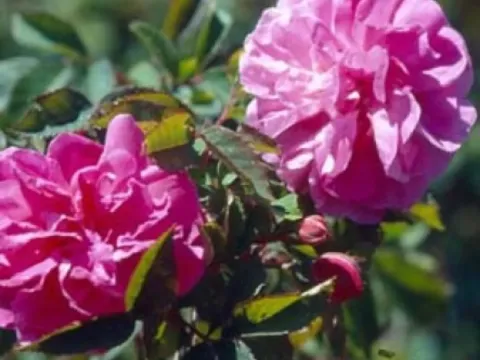
Boursault Rose
Rosa lheritieranea
The Boursault Rose (Rosa lheritieranea) belongs to the Rosaceae family. It is a group of climbing hybrids originating from the crossing of Rosa chinensis and Rosa pendulina. These roses are known for their flexible, almost thornless canes and abundant flowering.
What the section contains
Boursault Rose
The plant thrives in fertile, well-draining soil with a neutral pH. It prefers open, sunny locations where it can receive at least six hours of direct sunlight per day, which is crucial for promoting strong growth and healthy blooms.
In terms of agricultural techniques, pruning is essential for maintaining the shape and vigor of the bush. It should be performed after the flowering season to stimulate new growth for the next year. Regular watering is vital, especially during the first years of establishment.
The climate requirements include moderate temperatures; while hardy, the plant benefits from mulch during winters in colder regions. Providing structural support, such as trellises or walls, is recommended due to its natural climbing or arching growth habit.
Boursault Roses are primarily used in ornamental landscaping. They are excellent choices for covering large garden structures, trellises, or creating lush, informal flowering displays in historic and romantic garden styles.
The primary diseases affecting this rose species include powdery mildew and black spot. These fungal conditions are usually exacerbated by poor air circulation and high humidity levels around the foliage.
Pest pressures primarily include aphids and spider mites, which can proliferate in warm, dry weather. These pests attack the succulent tissues of new buds and leaves, often leading to reduced aesthetic quality and stunted growth.
Effective management strategies involve spacing plants appropriately to ensure airflow and performing regular sanitation to remove fallen debris. Reducing leaf moisture through localized watering techniques helps mitigate fungal issues significantly.
When chemical intervention is required, horticultural oils or soaps are preferred for minor infestations. For more severe cases, systemic fungicides should be applied according to the manufacturer's recommendations to preserve the plant's vitality.
Ongoing monitoring is necessary throughout the growing season to catch issues before they escalate. A balanced nutritional program also strengthens the plant's natural resilience against environmental stressors and potential pathogens.