
Briançon apricot
Prunus brigantina
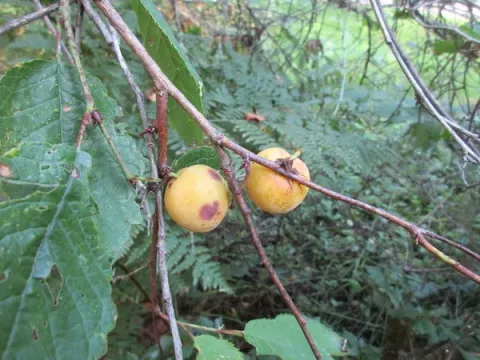
Prunus brigantina, commonly known as the Briançon apricot or alpine plum, is a rare species belonging to the Rosaceae family. It is a unique shrub or small tree native to the high altitudes of the Western Alps in France and Italy.
What the section contains
Briançon apricot
The plant is typically found growing on calcareous soils in subalpine environments. It has evolved to survive in challenging conditions, characterized by cold winters, significant temperature fluctuations, and exposure to strong mountain winds.
Botanically, it features small, ovate, serrated leaves and blooms in early spring with delicate white flowers. Its growth habit is usually stunted, reflecting its adaptation to rocky, nutrient-poor soils and limited growing seasons in its native range.
Cultivation of Prunus brigantina requires well-drained, alkaline-rich soil and a location with full sun exposure. It is a hardy plant that does not demand excessive irrigation, but it does require protection from waterlogged ground which can lead to root issues.
In terms of usage, the fruits are small and distinct, often used by local communities for making jams, jellies, and traditional regional spirits. The species is highly valued for its genetic resilience and historical significance in alpine agro-forestry.
The primary threats to Prunus brigantina include common fungal pathogens like leaf spot and monilia, which thrive in humid alpine conditions. Regular pruning is essential to improve air circulation within the canopy and reduce the likelihood of fungal outbreaks.
Pest management focuses primarily on preventing infestations by fruit-boring insects and aphids that target the foliage. Due to its status as a rare species in nature, maintaining a clean and diverse environment around the plants is critical for their long-term health.