
Bowman's root
Gillenia trifoliata
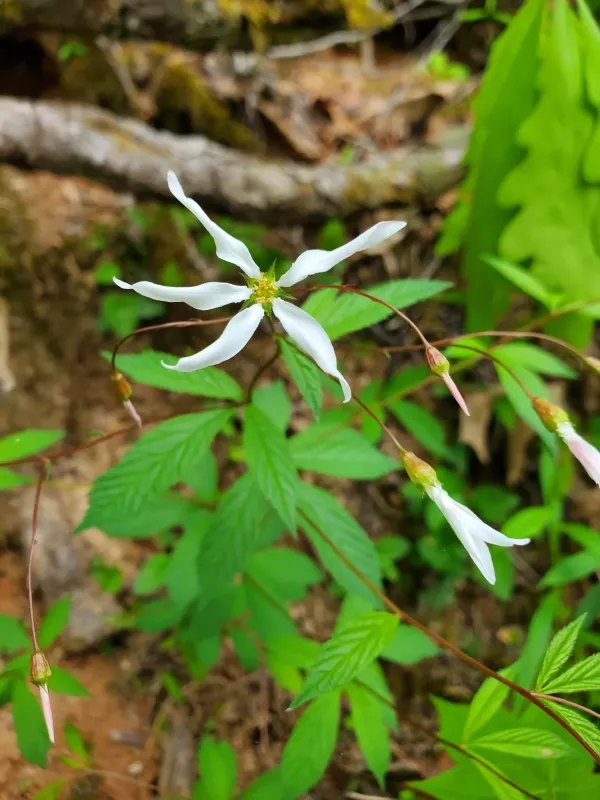
Description
Sowing dates
Sowing Bowman's root is most successful when seeds are sown in the fall, as they require a period of cold stratification to break dormancy. Natural winter temperatures ensure optimal germination rates in the spring.
For indoor spring sowing, seeds must be stratified in a refrigerator at 2–4°C for at least two months. After stratification, place them in a seed tray with a lightweight, moist peat-based medium.
Germination is often slow and sporadic, requiring patience. It is essential to keep the medium consistently moist but not saturated, as the seeds are sensitive to rapid drying out during the process.
Once seedlings develop their second or third set of true leaves, they should be transplanted into individual pots. Care must be taken not to disturb the delicate root structure during this process.
Transplanting into the garden bed should occur after the threat of frost has passed. Space the plants about 45 to 60 cm apart to allow for mature growth and adequate airflow between individual specimens.
Growing requirements
Gillenia trifoliata performs best in light shade or dappled sunlight. While it can tolerate more sun in cooler climates, it generally appreciates protection from intense, direct midday heat to prevent leaf scorching.
The ideal soil is rich, moist, and well-draining, with a slightly acidic to neutral pH. It does not thrive in heavy clay soils that hold water, as these can easily lead to root rot during the dormant season.
This perennial is remarkably cold-hardy and requires little special winter preparation once established. In colder regions, applying a light layer of mulch around the base of the plant can help regulate soil temperature.
Consistent moisture is key during the first growing season. While mature plants show moderate drought tolerance, they will bloom and grow most vigorously when provided with a steady supply of water throughout the summer.
Fertilization is generally unnecessary if the soil is amended with organic matter such as compost or leaf mold. A top-dressing of organic fertilizer in early spring is usually sufficient to support annual growth.
Main diseases and pests
Bowman's root is known for its excellent resistance to most common garden pests and diseases, making it a reliable and low-maintenance choice for perennial borders and native plant gardens.
In humid conditions with poor airflow, the foliage can occasionally be affected by powdery mildew. Ensuring adequate spacing between plants is the most effective way to prevent the development of this fungus.
Slugs and snails can sometimes target young foliage in the early spring months. If pest pressure is high, organic deterrents or simple physical barriers can be placed around the base of the crown.
Root rot is the primary threat, typically caused by waterlogged soil conditions rather than pests. This is avoided by selecting a well-drained planting site and preventing over-watering in shady spots.
Generally, no intensive chemical intervention is required to keep this plant healthy. Regular monitoring and removing any debris from around the base are usually all that is needed to maintain plant vigor.