
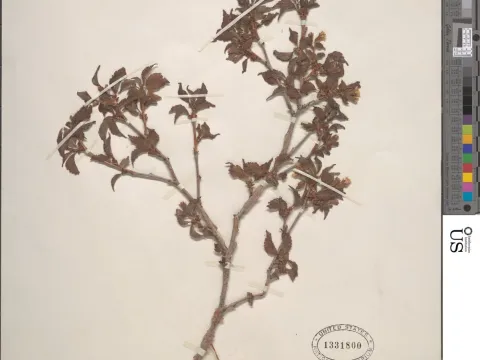
Bristly plum
Prunus setulosa
The bristly plum (Prunus setulosa) is a woody species belonging to the Rosaceae family. Native to East Asian regions, it is a hardy plant that has evolved to thrive in diverse ecological niches, primarily characterized by moderate humidity and seasonal climatic variations.
What the section contains
Bristly plum
Optimal growth conditions for this culture include deep, well-drained loamy soils. It does not tolerate waterlogging, so site selection should prioritize areas with good natural drainage. A soil pH ranging from slightly acidic to neutral is ideal for nutrient uptake and root development.
Regarding climate, the plant requires a sufficient chilling period during winter to break dormancy effectively. During the growing season, it performs best in locations with full sun exposure, which ensures higher fruit quality and prevents the development of excessive shade-related infections.
Standard cultivation practices require regular pruning to maintain an open canopy structure. This facilitates air circulation within the tree, which is crucial for reducing humidity levels around the foliage and reducing the risk of fungal outbreaks that are common in dense plantations.
In terms of agricultural utility, Prunus setulosa is often valued for its genetic diversity and potential as a rootstock. It provides a stable base for grafting, often imparting vigor and environmental stress resistance to the scion cultivars, making it a subject of interest for pomologists.
The primary pathological threats to this species include Monilinia rot and Clasterosporium carpophilum. These pathogens often target tissues during blooming or ripening phases. Effective management relies on a combination of pruning and the application of fungicides during early growth stages.
Common insect pests include the plum fruit moth and various aphids. To mitigate damage, producers utilize integrated pest management (IPM) strategies, which include monitoring pheromone traps and applying targeted biological control agents when pest thresholds are exceeded during the season.