
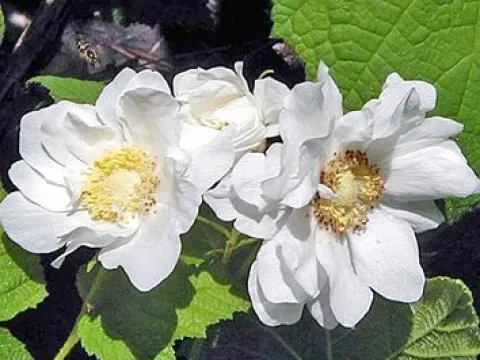
Rubus amabilis
Rubus amabilis
Rubus amabilis is a fascinating species within the Rosaceae family, native to the mountainous provinces of China. Often referred to for its ornamental value, this perennial shrub shares many growth characteristics with the common raspberry but exhibits unique botanical traits.
What the section contains
Rubus amabilis
The species thrives in cool, temperate environments. It prefers well-drained, humus-rich soil that mimics the forest-floor conditions of its native habitat. Providing a layer of organic mulch is essential to maintain soil moisture and cool root temperatures during the summer heat.
Light requirements for this plant are specific; it performs best in partial shade. While it can tolerate some sun in cooler climates, intense heat exposure can lead to leaf scorch and reduced plant vigor, necessitating careful site selection before planting.
Cultural practices include consistent irrigation and nutrient management. Fertilization with balanced organic compounds in early spring helps support the growth of vigorous canes, which is crucial for maximizing future berry production in the following season.
The economic value of this plant currently resides in horticulture and botanical research. Because of its distinctive fruit and attractive foliage, it serves as an excellent candidate for inclusion in edible landscapes and diverse fruit gardens.
Common threats to Rubus amabilis include fungal diseases such as gray mold (Botrytis) and anthracnose. These pathogens become particularly prevalent in high-humidity conditions, often spreading rapidly if air circulation around the plants is poor.
Pest pressure from aphids and spider mites can significantly weaken the plant. Aphids often congregate on the undersides of leaves, causing curling and stunted growth, while spider mites extract sap and cause premature yellowing of the foliage.
Root rot is a critical risk factor, especially if the soil is heavy or poorly drained. To prevent this, planting on raised beds or incorporating coarse organic matter into the soil profile is recommended to ensure the roots remain oxygenated.
Integrated Pest Management (IPM) is the most effective approach for maintaining plant health. This includes the regular inspection of canes and leaves, as well as the immediate removal of any stems showing signs of infestation or necrosis.
Applying appropriate fungicides and miticides should be limited to instances where cultural controls, such as pruning for air circulation and sanitation, prove insufficient to keep pest populations below the economic injury level.