
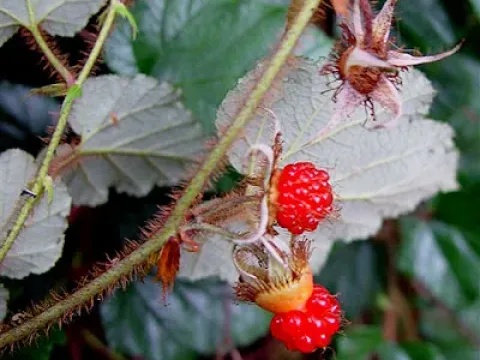
Rubus barbatus
Rubus barbatus
Rubus barbatus is a perennial shrub belonging to the Rosaceae family. It is native to the tropical and subtropical regions of South America, where it thrives in diverse microclimates of the mountain landscapes.
What the section contains
Rubus barbatus
The crop requires well-draining soil types, such as loamy or sandy soils, to prevent root rot. An optimal pH level is typically neutral to slightly acidic, which supports nutrient availability for the plant's development.
As a warm-season crop, Rubus barbatus needs significant solar radiation and stable temperatures to ensure proper flowering and fruit set. It is essential to protect the plants from harsh frost, as the species is not winter-hardy in temperate zones.
The botanical structure of the plant features flexible canes heavily armed with sharp prickles. The foliage is typically compound, with pubescent surfaces that help in water retention and temperature regulation during dry spells.
Cultivation practices involve regular irrigation and organic fertilization programs. In commercial settings, this plant is valued for its specific fruit profile, often used in artisanal food processing and as a source of bioactive compounds.
Fungal infections, such as anthracnose and leaf rust, represent the primary threat to the health of the plant, often triggered by excessive humidity levels in the canopy.
Managing the plant density and ensuring proper air circulation through pruning are critical strategies for mitigating the impact of these pathogens throughout the growing season.
Insect pests, including spider mites and various coleopteran species, can cause significant damage to leaves and young berries, necessitating regular field monitoring.
Biological control methods are increasingly used to suppress pest populations without disrupting the local ecosystem, providing a sustainable alternative to broad-spectrum pesticides.
Sanitation practices, such as the removal of dead or infected canes, play a vital role in preventing the overwintering of pathogens and ensuring a productive harvest each year.