
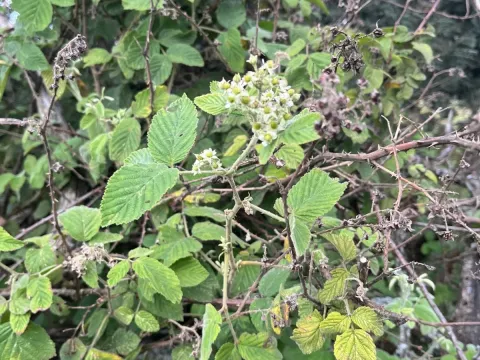
Rubus apetalus
Rubus apetalus
Rubus apetalus is a perennial shrub belonging to the Rosaceae family. It is a distinct species within the diverse Rubus genus, noted for its specific floral morphology and its adaptation to montane ecosystems.
What the section contains
Rubus apetalus
The plant is native to the high-altitude regions of Africa, where it thrives in cool, moist environments. It is naturally adapted to elevations between 1500 and 3000 meters, preferring temperate climates and well-drained soils.
For agricultural cultivation, Rubus apetalus requires soil rich in organic matter with a slightly acidic to neutral pH. Proper site selection is crucial, as the plant needs both good drainage to prevent root rot and adequate sunlight for fruit development.
Agrotechnical practices for this crop focus on maintaining soil health through regular mulching and the application of balanced organic fertilizers to support vigorous vegetative growth during the spring season.
Propagation is typically achieved via vegetative techniques, such as rooting lateral shoots or using root cuttings, which ensures the consistency of desired horticultural traits across the entire plantation.
The primary agricultural use of Rubus apetalus is the production of edible berries, which are valued for their bioactive compounds, including antioxidants and vitamins that contribute to a healthy diet.
Yield capacity is influenced by the pruning regime, as the shrub requires regular thinning to remove old canes and encourage the development of new, high-producing fruiting wood each season.
Post-harvest, the berries are processed into various products, including jams, jellies, and natural food colorings. Their specific flavor profile makes them a unique raw material for artisanal food processing.
To maximize yields, growers often implement drip irrigation systems that allow for precise water application during the critical phases of fruit setting and maturation, minimizing moisture stress.
Efficient harvesting is vital, as the berries are perishable. Harvesting is usually performed by hand at the peak of ripeness to ensure the best quality for both fresh market sales and processing.
Rubus apetalus is susceptible to various fungal pathogens, most notably those that cause leaf spot and fruit rot, especially when plantation density is too high or airflow is restricted.
Pest management focuses on common berry pests such as aphids and specialized beetles that feed on young foliage. Integrated pest management strategies are recommended to minimize chemical reliance.
Sanitation is the cornerstone of disease control; removing dead plant material and debris from the base of the bushes helps reduce the overwintering sites for fungal spores and insect pests.
Monitoring for nutrient deficiencies and pH imbalances is also necessary, as stressed plants are significantly more vulnerable to opportunistic diseases and environmental damage.
- Regular inspection for signs of powdery mildew or rust.
- Strategic pruning to optimize canopy ventilation.
- Use of certified disease-free propagation material.