
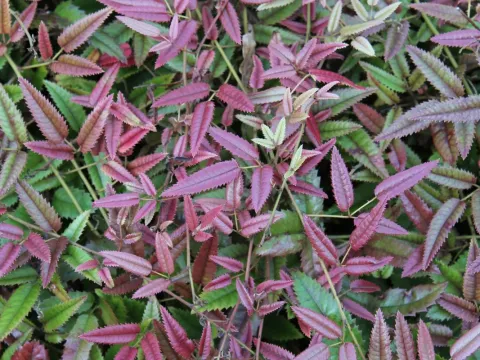
Rubus barkeri
Rubus barkeri
Rubus barkeri is a distinct species within the Rosaceae family, recognized for its sprawling growth habit. Unlike many of its upright relatives, this plant functions effectively as a ground cover, utilizing its ability to root at nodes to spread efficiently across garden surfaces.
What the section contains
Rubus barkeri
The origin of this species is linked to temperate regions where it thrives in moist, sheltered environments. It is highly valued for its adaptability to shaded conditions, making it an excellent choice for ornamental landscaping where larger shrubs might struggle due to limited light.
Cultivation success is highly dependent on soil quality. The ideal substrate should be rich in organic matter, slightly acidic to neutral, and possess excellent drainage capabilities to prevent waterlogging, which the root system of this species is sensitive to.
Watering requirements are consistent throughout the growing season. A steady moisture level is necessary to maintain foliage health, particularly during the hot summer months. However, the soil surface should ideally dry out slightly between waterings to ensure aeration.
Maintenance involves periodic pruning to keep the growth contained and to encourage fresh, healthy development. Organic mulch application around the base is recommended to retain soil moisture, suppress competitive weeds, and provide a slow-release source of nutrients.
Like many species in the genus Rubus, this plant is susceptible to fungal issues if environmental conditions are poor. Powdery mildew can appear during dry periods followed by high humidity, resulting in a dusty white coating on the leaves that reduces photosynthetic capacity.
Root rot is perhaps the most significant threat to the survival of the plant, often resulting from excessive soil moisture. Once established, this condition is difficult to treat, making preventative drainage management and careful site selection vital for success.
Aphids represent the primary insect threat, as they frequently congregate on tender new growth. These pests not only damage the plant by extracting sap but also act as vectors for various plant viruses, necessitating early intervention if colonies are detected.
Mites can also pose a problem in warm, dry weather. Their presence is often indicated by stippling or yellowing of the leaf tissue. Regular misting of the foliage or the use of horticultural oils can help manage these populations without relying on harsh chemicals.
To ensure long-term health, growers should monitor for signs of chlorosis, which might indicate nutrient imbalances or pH issues. Maintaining a balanced fertilization program helps the plant resist secondary attacks from pathogens and minor environmental stressors.