
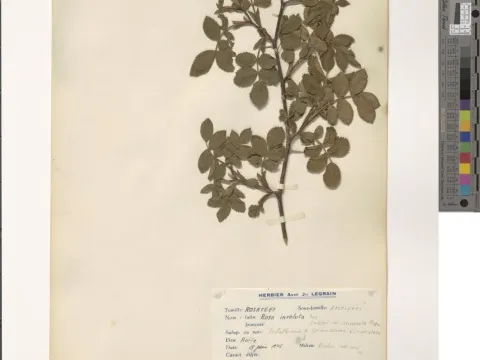
Rosa involuta
Rosa involuta
Rosa involuta is a unique natural hybrid belonging to the Rosaceae family. It originates from the crossing of Rosa pimpinellifolia and Rosa mollis, resulting in a hardy, deciduous shrub highly valued for its naturalistic aesthetic.
What the section contains
Rosa involuta
The plant thrives in well-drained, fertile soil with a neutral to slightly acidic pH level. Ensuring proper aeration at the root zone is crucial for the robust development of its root system in garden environments.
It prefers full sun exposure to maintain its vigorous growth and abundant flowering characteristics. While it is adaptable, it performs best when sheltered from heavy, desiccating winds that could damage the delicate foliage.
Cold hardiness is one of its primary traits, making it suitable for temperate regions where winter temperatures drop significantly. Its inherent resilience allows it to persist in various soil types as long as drainage is adequate.
Maintenance involves routine pruning of dead or crossing branches to maintain a healthy structure. Early spring is the recommended time for pruning, encouraging the development of new flowering wood for the upcoming season.
Like many species in the genus Rosa, this plant can be susceptible to fungal issues such as black spot and powdery mildew, particularly in environments with poor air circulation.
Insect pests, including aphids and leaf miners, frequently target the succulent growth during the peak spring and summer months. These can lead to premature leaf drop if left unmanaged.
Effective management starts with keeping the surrounding area free of plant debris. This simple practice significantly reduces the overwintering capacity of common pathogens and pests.
Integrated pest management strategies should include monitoring the plant for signs of infestation and using targeted treatments to preserve beneficial insects that naturally inhabit the garden.
Good horticultural practice, such as watering at the base of the plant rather than overhead, is essential in preventing the spread of moisture-loving fungal spores across the foliage.