
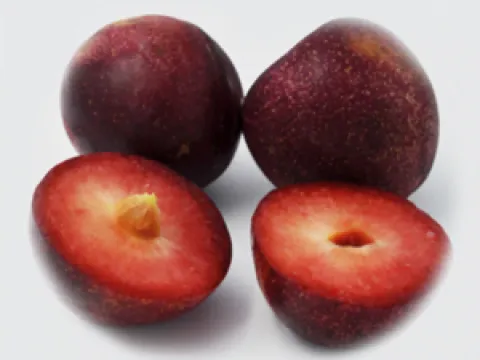
Hybrid plum
Prunus hybrida
The hybrid plum is a fruit crop belonging to the Rosaceae family, originating from controlled cross-breeding between different plum species or between plums and other Prunus members. These hybrids are specifically engineered to combine superior hardiness with improved fruit size and flavor profiles.
What the section contains
Hybrid plum
These trees thrive in full sun exposure, requiring at least six to eight hours of direct light daily. They are adaptable to various soil types, but they perform best in well-drained, fertile loams with a slightly acidic to neutral soil pH between 6.0 and 7.0.
Soil drainage is a critical factor for Prunus hybrida, as the root systems are highly susceptible to rot if left in standing water. When planting in areas with heavy clay, incorporating organic matter and creating raised beds are essential practices to ensure proper oxygenation of the roots.
Climatic requirements vary significantly depending on the genetic background, but most commercial hybrids are selected for their resilience to temperature fluctuations. They often bloom slightly later than traditional European varieties, which helps avoid damage from late spring frost events.
Agricultural management requires a balanced fertilization program that adjusts based on the age of the tree and soil testing results. Pruning is essential to maintain an open canopy structure, which improves airflow, reduces moisture-related diseases, and facilitates even light distribution to the interior branches.
Hybrid plums are noted for their prolific yields and early maturity, often producing fruit within the first few years of planting. The high level of vigor in hybrids usually results in consistent annual fruit production compared to traditional, more sensitive cultivars.
The most significant pathological threats to hybrid plums include brown rot and black knot, which can devastate an orchard if left untreated. Implementing a strict sanitation program, including the removal of mummified fruit and infected branches, is the first line of defense.
In terms of insect pressure, the plum curculio and various aphid species are the most persistent pests. Monitoring programs using sticky traps and timely applications of horticultural oils or targeted insecticides are standard practices to keep infestations below the economic threshold.
Harvesting should be timed carefully, ideally when the fruit reaches its full color and begins to soften slightly, depending on the intended use. Proper handling during harvest is crucial to prevent bruising, as hybrid plums are often succulent and highly perishable once they reach full maturity.