
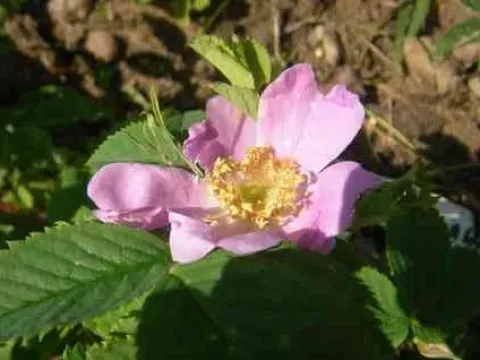
Engelmann's rose
Rosa engelmannii
Sowing seeds of Engelmann's rose for agricultural or ornamental purposes is usually conducted in the autumn to ensure natural stratification in the soil throughout the winter months.
What the section contains
Engelmann's rose
When sowing in the spring, the seeds require a long period of preliminary stratification in moist sand at low positive temperatures for 3 to 4 months to break embryo dormancy.
Seeds should be sown in well-prepared furrows at a depth of about 2–3 centimeters, maintaining a row spacing of at least 60–80 centimeters to facilitate proper plant maintenance.
To improve germination rates, professional agronomists recommend pre-sowing treatments with growth stimulants, which ensures more uniform and vigorous seedlings in the first season.
Propagation is also possible through vegetative methods, such as taking cuttings or dividing root suckers, which allows for the full preservation of the mother plant's specific traits.
Engelmann's rose is an extremely frost-hardy species, well-adapted to the harsh climatic conditions and temperature fluctuations typical of the mountainous forest zones of North America.
The plant prefers sunny, well-lit locations with light, well-drained loamy or sandy soils, ideally with a neutral to slightly acidic pH level.
This crop possesses moderate drought tolerance, yet to achieve a bountiful harvest, regular irrigation is essential during the flowering and fruit-setting stages.
A critical requirement is the avoidance of stagnant water in the root zone, as excessive soil moisture can trigger fungal diseases affecting the root system.
As a member of the Rosaceae family, the shrub responds well to the application of organic fertilizers, such as well-rotted manure or compost, which promotes vegetative growth and increases fruit yield.
The productivity of Engelmann's rose begins to increase significantly 3–4 years after planting in a permanent location, reaching peak levels between 6 and 8 years of age.
The average yield from a mature shrub ranges from 1.5 to 3 kilograms of fresh fruit, provided that all agronomic care and pest protection measures are strictly observed.
The hips of this species are notable for their high concentration of Vitamin C, organic acids, and pectins, making them valuable raw materials for the pharmaceutical and food industries.
Harvesting is typically done selectively as the fruits reach their characteristic bright red color, since uniform ripening is not a typical biological trait for this species.
Regular pruning to renew the canopy helps maintain high shrub productivity for 15–20 years by preventing excessive thickening and the aging of old branches.
The primary threats to this crop are fungal diseases, such as powdery mildew, which affects leaves and young shoots during periods of high air humidity.
Rose rust also poses a significant danger, manifesting as orange spots on the underside of the leaf blades and often leading to premature leaf drop.
Among pests, rose aphids and spider mites cause the most damage by sucking sap from young leaves, which significantly weakens the plant's natural immune system.
To prevent sawfly infestations, it is necessary to perform regular cultivation of the soil around the base of the plant and conduct timely sanitary pruning of affected branches in the autumn.
- Regular inspection of the shrubs during the growing season.
- Use of biological preparations for insect control.
- Maintaining spacing between shrubs to improve airflow through the canopy.
Harvesting begins in late summer or early autumn when the hips develop a firm texture and a deep red color, signaling the maximum concentration of bioactive compounds.
It is vital to conduct the harvest in dry weather, as hips gathered during rain or with dew are prone to rapid spoilage during storage and transportation.
Protective gloves should be worn during harvest, as the stems of Rosa engelmannii are covered in sharp thorns that can impede the process and cause injury to the harvester.
Freshly picked produce should ideally be processed within the first 24 hours or dried under controlled, low-temperature conditions to preserve the vitamin profile.
Dried material should be stored in well-ventilated areas, using paper or fabric bags that protect the product from direct sunlight and moisture penetration.