
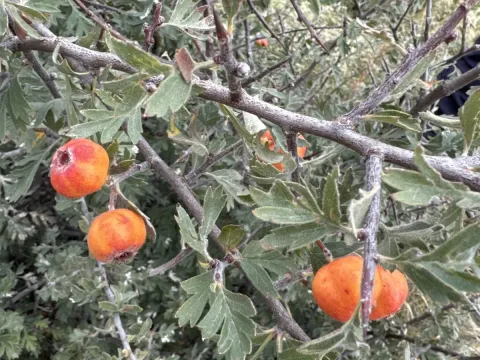
Eastern hawthorn
Crataegus orientalis
The propagation of Eastern hawthorn primarily involves stratification of seeds, which is a slow process requiring careful temperature management. Seeds should be sown in the autumn into prepared soil, allowing natural winter dormancy to break their germination inhibitors.
What the section contains
Eastern hawthorn
Vegetative propagation via grafting onto common hawthorn rootstocks is the preferred method for commercial cultivation. This ensures the maintenance of high-quality fruit traits and significantly reduces the time required for the plant to enter its productive life stage.
Site preparation involves deep tillage to ensure aeration and the incorporation of organic matter to improve soil fertility. Proper spacing, typically at least 3 to 4 meters, is essential to accommodate the plant's natural spreading habit and ensure long-term health.
Young plants require consistent moisture during the establishment phase, usually the first two growing seasons. Applying a layer of mulch around the base of the plant helps retain soil moisture and prevents weed competition in the critical early years of growth.
Pruning at the time of planting should be minimal, focusing on removing damaged branches to promote healthy lateral growth. Over time, formative pruning is necessary to create a strong, open structure that facilitates light penetration and eases harvesting.
As a member of the Rosaceae family, Crataegus orientalis thrives in well-drained, fertile loamy soils but displays remarkable resilience on poorer, stony sites. It is an ideal species for reforestation or agricultural diversification in mountainous terrain.
Full sun is an absolute requirement for successful cultivation. Eastern hawthorn produces significantly higher yields of fruit when exposed to direct sunlight for most of the day, as shaded environments lead to weaker stems and increased susceptibility to fungi.
This species is highly drought-tolerant once established, making it suitable for regions with irregular rainfall patterns. It possesses a high level of winter hardiness, allowing it to withstand the cold temperatures typical of its native range.
Soil pH should ideally be neutral or slightly alkaline. The plant does not tolerate waterlogged conditions; therefore, planting on slopes or well-drained raised beds is recommended to prevent root rot and ensure aerobic conditions for the root system.
Regular maintenance includes monitoring soil fertility levels. While the plant is hardy, modest applications of balanced fertilizers in early spring can boost vegetative growth and increase the size and quality of the berry-like fruits.
Fungal diseases such as powdery mildew and various leaf rusts are common threats to Eastern hawthorn. These conditions are exacerbated by poor airflow within the crown and excessive humidity, requiring strategic pruning to maintain an open canopy.
Pest populations, including aphids and hawthorn beetles, can cause significant stress to young growth. Integrated pest management (IPM) practices, such as encouraging natural predators and timely application of soft insecticides, are crucial for long-term control.
Fire blight is a major concern for the genus Crataegus. Infected branches must be pruned well below the site of infection, and pruning tools must be disinfected after each cut to prevent the spread of bacteria through the orchard.
Sanitation is a vital aspect of disease management. Clearing and destroying fallen leaves and diseased fruit at the end of the season reduces the amount of pathogen overwintering near the plants, significantly lowering the disease pressure in the next cycle.
Routine scouting for signs of discoloration, wilting, or unusual insect presence is essential. Early detection allows for targeted interventions, minimizing the need for broad-spectrum chemical treatments and preserving the ecological balance of the site.