
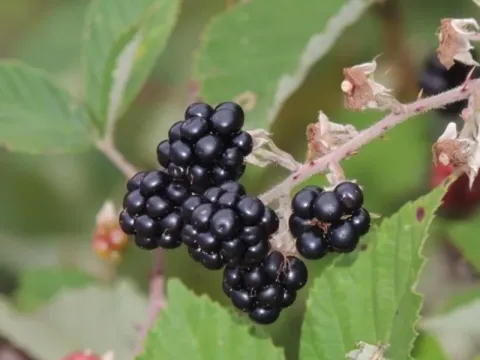
English blackberry
Rubus anglocandicans
The English blackberry (Rubus anglocandicans) is a robust species within the Rosaceae family. Known for its vigorous growth, it is a perennial plant that thrives in temperate climates across Europe and beyond.
What the section contains
English blackberry
Propagation is primarily achieved through vegetative means, such as tip layering or using root cuttings. Early spring is considered the ideal time for planting to ensure the root system establishes before the onset of summer heat.
When planning a plantation, it is essential to provide ample space between rows, as the plant tends to spread aggressively. Using trellising systems is highly recommended to manage its growth and simplify maintenance tasks.
The soil should be prepared by deep tilling and incorporating organic matter to improve structure. Proper preparation in the first year significantly enhances the survival rate and long-term health of the crop.
Once established, the plants form dense thickets. Systematic pruning is necessary from the start to maintain organized rows and ensure that light can reach all parts of the foliage.
This blackberry prefers moist but well-drained loamy soils. It is highly adaptable to various soil types but struggles in areas with poor drainage or stagnant water, which can induce root rot.
Full sun is required for optimal fruit production. While the plant can survive in partial shade, the quantity and quality of berries will be substantially reduced compared to plants grown in full light.
The ideal pH range for Rubus anglocandicans is between 5.5 and 6.5. Regular monitoring of soil acidity is advisable to prevent nutrient deficiencies that can cause yellowing of leaves.
Consistent irrigation is critical during the flowering and fruit-setting stages. Drought stress during these periods often leads to small, poorly developed berries that lack sugar content.
In regions with harsh winters, protective measures such as winter mulching or covering the canes are necessary to prevent freeze damage, ensuring the plant remains productive for the following year.
The yield of the English blackberry is typically quite high when the plants are managed correctly. A mature, well-maintained plant can produce a significant volume of fruit throughout the summer.
Fruit typically develops on the previous year's canes. Therefore, effective crop management involves removing spent canes annually to encourage new, vigorous growth for the next season.
The berries are valued for their flavour and versatility in culinary applications. They are suitable for both fresh market sales and processing into jams, jellies, and various baked goods.
Strategic fertilization with potassium-rich fertilizers is beneficial for fruit size and overall quality. Avoid excessive nitrogen late in the season, as it promotes lush foliage at the expense of fruit production.
Regular monitoring for ripeness is essential, as the harvest period is extended. Consistent picking encourages the plant to continue producing berries throughout the peak of the season.
The primary diseases affecting this species include anthracnose and grey mould, particularly in humid or rainy conditions. Maintaining good air circulation is the best preventive strategy against these fungi.
Pests such as the blackberry mite and various aphid species can cause deformation and yield loss. Implementing integrated pest management helps keep populations at manageable levels without over-reliance on chemicals.
Powdery mildew can be a problem in dense, poorly ventilated plantings. Regular thinning of the canopy and removal of crossing branches are standard procedures to mitigate this risk.
Proper sanitation is critical for managing potential outbreaks. Removing all diseased or damaged plant material from the field is a must to stop the spread of pathogens to healthy plants.
Biological control agents, such as predatory mites, can be effective in greenhouse or small-scale field settings to maintain ecological balance and suppress harmful insect populations.
Harvesting should be performed manually to ensure the delicate berries are not crushed. Picking is best done during the cooler parts of the day to extend the shelf life of the fruit.
Berries are ready for harvest when they reach their full black colour and possess a slight give under gentle pressure. Overripe fruit should be removed promptly to prevent fungal spores from spreading.
Using shallow containers is essential to avoid piling berries too deep, which can lead to rapid bruising and spoilage. Proper handling at this stage is vital for high-quality produce.
After picking, the berries should be cooled quickly to preserve their freshness. Refrigeration at 2–4 degrees Celsius is ideal for extending the marketable window of the harvest.
Sorting should take place in the field during the harvest to ensure that only the highest quality berries reach the final packaging stage, thereby improving overall efficiency.