
Elder-leaved rose
Rosa sambucina
Description
Sowing dates
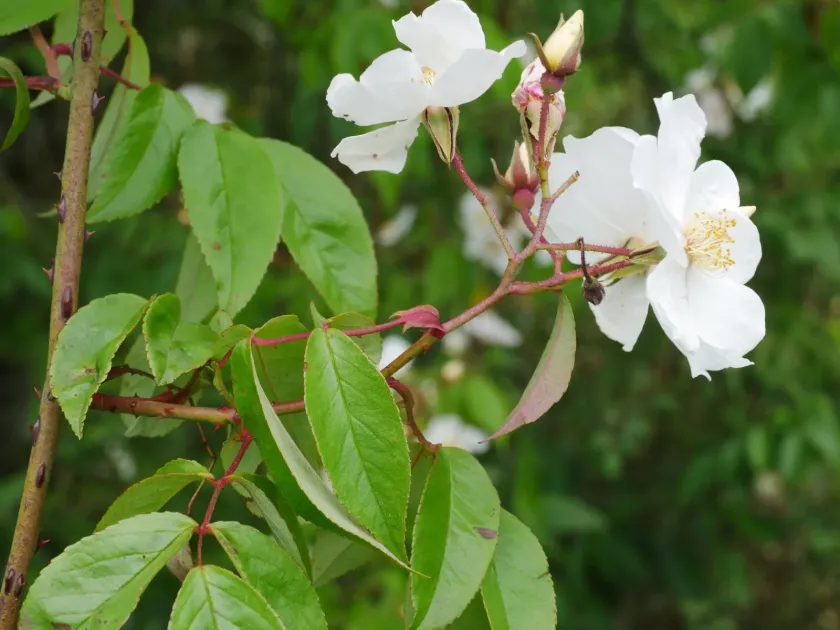
The elder-leaved rose (Rosa sambucina) is a member of the Rosaceae family. It is a distinctive ornamental shrub known for its compound leaves that bear a striking resemblance to elderberry foliage, which is the origin of its specific name.
Propagation is typically achieved through vegetative methods such as hardwood cuttings or grafting onto hardy rootstocks, ensuring that the offspring retain the desirable morphological traits of the parent plant.
When establishing a new planting, the optimal time is early spring, allowing the root system to become established before the onset of summer heat, or autumn, provided there is enough time for root development before the ground freezes.
Preparing the planting site involves clearing the soil of competing weeds, loosening the earth to a depth of 30-40 cm, and incorporating well-rotted organic compost to enhance soil structure and nutrient content.
Planting density depends on the desired final appearance, but a spacing of 1.5 to 2 meters is generally recommended to allow for adequate airflow and natural crown expansion as the bush matures.
Growing requirements
Rosa sambucina requires a location with full sun exposure to thrive and produce its signature flowers, as shade often leads to leggy growth and increased susceptibility to fungal diseases.
The ideal soil is fertile, well-draining, and rich in organic matter, with a slightly acidic to neutral pH level, which ensures that micronutrients remain available for the plant to absorb efficiently.
Consistent moisture management is essential during the active growing season; the soil should remain moist but never waterlogged, as poor drainage is a primary cause of root rot in this species.
Temperature tolerance is moderate, and while the shrub is relatively hardy, it benefits from protection against harsh winter winds in colder climatic zones to prevent frost damage to tender stems.
Regular fertilization with balanced NPK formulas during the spring and early summer promotes healthy foliage development and supports the physiological processes required for consistent blooming.
Main diseases and pests
Powdery mildew is a common fungal threat for this rose variety, particularly in climates with high relative humidity and poor air circulation, which necessitates regular monitoring of the foliage.
Black spot, a disease manifesting as dark lesions on the leaves, can defoliate the plant if not addressed early with the removal of infected parts and the application of appropriate systemic fungicides.
Pests such as aphids and spider mites are frequent invaders that target young, succulent growth, weakening the shrub; periodic checks and localized treatment are necessary to prevent infestations.
Sanitation practices, including the removal of fallen leaves at the end of the season, are critical in reducing the overwintering population of spores and insects that could affect the bush in spring.
Pruning is not only for aesthetics but serves as a vital tool for disease management, as thinning out crowded stems ensures better light penetration and airflow, making the plant less hospitable to pathogens.
Harvesting
The primary utility of Rosa sambucina lies in its ornamental value; it is frequently utilized in garden design for its unique leaf texture, which adds aesthetic interest even when the plant is not in bloom.
In certain horticultural contexts, flowers may be harvested for fresh arrangements; this is best done in the early morning hours when the stems have maximum hydration to ensure a longer vase life.
If the plant is grown for its hips (fruit), they should be harvested only when fully colored and firm, typically in late summer, to ensure the best concentration of biological compounds.
Maintenance pruning at the end of the flowering cycle helps to direct energy back into the root system and prepares the shrub for dormancy, promoting more vigorous growth in the following season.
In landscape management, this rose is often used in mixed shrub borders or as a specimen plant, where its specific leaf characteristics stand out against other more common landscape species.