
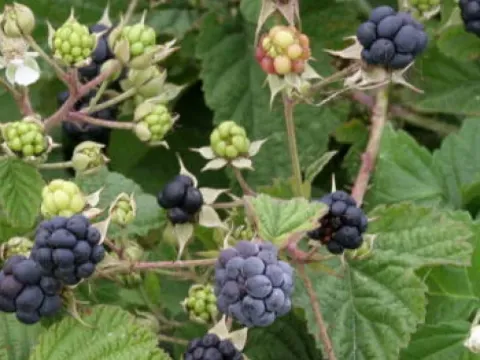
European dewberry
Rubus fructicosus
European dewberry (Rubus caesius) is a perennial shrub belonging to the Rosaceae family. It is widely recognized for its characteristic glaucous, bluish wax coating on the stems, which distinguishes it from other wild brambles.
What the section contains
European dewberry
The plant thrives in fertile, moist, and well-drained soils. While it often grows in wild habitats such as riparian zones or forest edges, when cultivated, it requires balanced nutrient management to reach its full productive potential.
Climate adaptability is a strong suit of the European dewberry, as it can withstand various environmental conditions. However, full sun exposure is ideal for ensuring maximum fruit sweetness and overall bush health during the growing season.
Agrotechnical maintenance includes the use of trellises, as the plant has a trailing growth habit. Controlling the spread of runners is essential to maintain orchard order and ensure efficient light penetration throughout the foliage.
In regions prone to severe frosts, winter protection is necessary. Gently pinning the canes to the ground and covering them with mulch or protective fabric prevents cold damage to the biennial stems and protects future harvests.
Yield capacity is optimized through regular pruning practices, focusing on removing old, spent canes. Providing adequate nitrogen, phosphorus, and potassium inputs ensures vigorous growth and increases the quantity of fruit clusters.
The productivity of Rubus caesius is significantly improved in managed garden settings compared to wild colonies. With proper irrigation and canopy management, growers can achieve consistent yields throughout the late summer period.
Common pathological threats include fungal diseases like powdery mildew and anthracnose, which are favored by high humidity and poor air circulation. Sanitation, such as removing infected parts, is the first line of defense.
Insect pests, including aphids and blackberry mites, pose risks to both the plant's vitality and fruit quality. Integrated pest management, emphasizing monitoring and biological controls, is highly effective for this crop.
Harvesting is performed manually due to the delicate nature of the fruits, which bruise easily when overripe. Gathering the berries during the early hours of the day helps maintain their firmness and improves marketability.